Table of Contents
ToggleA good office chair isn’t just about comfort, it’s an investment in your productivity and long-term health. Whether you’re working from home full-time or squeezing in side projects at a desk, spending 6–8 hours daily in a mediocre swivel office chair with wheels can leave your back aching and your focus scattered. The right chair combines adjustability, durable casters, and thoughtful design so you can move freely around your workspace without very costly. This guide walks you through what separates a quality swivel office chair from the rest, the features that actually matter, and how to find one that fits both your body and your home office aesthetic.
Key Takeaways
- A quality swivel office chair with wheels requires a sturdy five-point base, reliable gas cylinder rated for 100,000+ cycles, and durable casters to ensure stability and longevity over 5–7 years of use.
- Ergonomic support matters most: look for adjustable lumbar support, a seat height range of 17–21 inches, and adjustable armrests to maintain proper spinal alignment and reduce pain after 6–8 hours of daily sitting.
- Choose polyurethane or dual-wheel casters for mixed-surface home offices, as they roll smoothly on both carpet and hard flooring without scratching or snagging, unlike standard nylon wheels.
- Mesh-back chairs offer breathability and modern aesthetics, while fabric, leather, and wood-framed options provide residential comfort—balance style with ergonomics to avoid choosing a visually pleasing chair that sacrifices support.
- Test your swivel office chair in person or read detailed reviews before purchasing; a cheap chair replaced within a year costs more long-term than investing in a well-made option that lasts decades.
What Makes a Quality Swivel Office Chair With Wheels
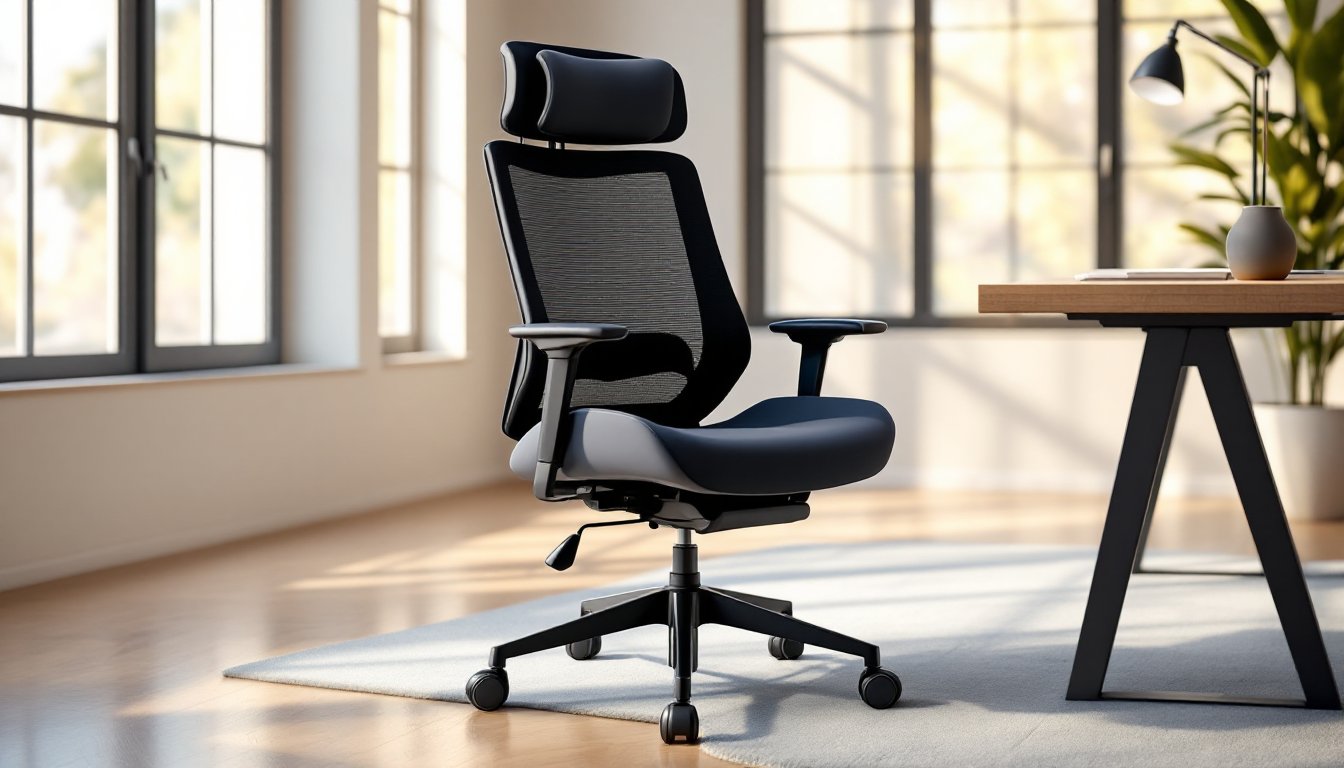
A quality swivel office chair with wheels starts with a sturdy base and reliable mechanism. Look for a five-point base (five caster wheels radiating from center) rather than four-point, the fifth point adds stability, especially when you lean back or shift sideways. The base should be made from heavy-duty nylon or reinforced plastic, not flimsy material that cracks after a year.
The swivel mechanism itself matters enormously. A smooth, 360-degree rotation relies on a quality tilt mechanism and a well-designed gas cylinder. The gas cylinder is what keeps the seat at your chosen height and prevents it from dropping unexpectedly. Cheaper chairs use low-grade cylinders that fail within months: reputable manufacturers use Tier 1 or Tier 2 cylinders rated for 100,000+ cycles.
Caster quality directly impacts mobility and floor protection. Standard nylon wheels work on most surfaces but don’t roll smoothly on carpet. Polyurethane casters grip carpet better and won’t snag or damage hardwood. If you’re rolling over both carpet and hard flooring, dual-wheel designs or soft-tread casters bridge that gap. The wheel diameter also matters, larger wheels (2–3 inches) roll more smoothly than tiny 1.5-inch wheels.
Material durability counts too. Mesh-back chairs breathe better for long sessions and resist staining, while fabric or faux leather can be more comfortable upfront but requires regular cleaning. Memory foam or high-density foam in the seat cushion holds its shape for years, whereas cheap foam compresses flat within months. When examining a chair in person or reviewing photos online, press the seat cushion firmly, it should bounce back quickly, not stay compressed.
Key Features to Look For When Selecting Your Chair
Ergonomic Design and Support
Ergonomics isn’t just a buzzword, it’s the difference between a chair that supports you and one that slowly hurts you. A proper swivel office chair should have lumbar support (lower-back curve) that matches the natural S-shape of your spine. Look for adjustable lumbar support or a backrest that extends at least 12 inches above the seat so your mid-back and shoulders are cradled, not floating.
Seat height adjustability is non-negotiable. When you sit with feet flat on the floor, your knees should bend at roughly 90 degrees and your hips slightly higher than your knees. That typically means a seat height range of 17–21 inches off the ground, though taller users need deeper adjustments. The pneumatic height adjustment lever (usually under the seat) should operate smoothly and lock firmly in place.
Armrest design is often overlooked but critical. Fixed armrests can dig into your shoulders if they don’t align with your desk height, so look for models with adjustable height and width. Some chairs let you remove armrests entirely, which is handy if your desk already has arm supports or if you prefer unobstructed movement.
Wheel Type and Mobility
The type of wheels your chair uses determines how it glides across your floor and whether it protects surfaces. Nylon casters work fine on hard floors like tile or laminate but can drag on carpet and may mark hardwood with scuffs. Polyurethane wheels are softer and grip better on carpet without scratching hard floors, making them the versatile choice for mixed-surface home offices.
Wheel size influences ease of rolling. A 2.5- to 3-inch diameter wheel rolls more smoothly over minor floor imperfections than smaller wheels and requires less effort to push, important if you’re rolling backward or reaching across the room repeatedly. Dual-wheel designs, with two smaller wheels per caster axle, distribute weight better on soft carpet and resist sinking into plush fibers.
The swivel chair base itself should allow smooth 360-degree rotation without wobbling. A quality 360-degree swivel with a well-seated ball bearing under the gas cylinder means you can spin and stop without the chair listing to one side. When testing or researching, spin the chair and listen, silence is good, grinding or squeaking signals wear or cheap bearings.
Style Options That Complement Your Home Office
Your office chair doesn’t have to be a bland black box. Modern swivel office chairs with wheels come in designs that fit contemporary, industrial, mid-century, or minimalist aesthetics, you just have to know where to look and what trade-offs come with each style.
Mesh-back chairs dominate modern offices because they’re breathable, lightweight, and come in dozens of colors and frame finishes. Black mesh with chrome base is the corporate default, but brands now offer charcoal, navy, gray, and even color accents. The open-back design makes your office feel less enclosed, which some people prefer for psychological comfort.
Fabric upholstered chairs bring a softer, more residential look to home offices. Linen blends, cotton-poly mixes, and performance fabrics (designed to resist staining) range from neutral earth tones to bold jewel tones. These work especially well in rooms where the office doubles as a guest area or creative studio. The trade-off: fabric requires more maintenance than mesh, and darker fabrics show dust and pet hair.
Leather or faux-leather chairs project polish and professionalism, suiting traditional or executive-style offices. Real leather ages beautifully but costs significantly more and needs occasional conditioning. Faux leather (PU or PVC) looks similar, costs less, and cleans easily, though it can feel cheap if poorly made. Either material can get sticky in warm climates without good air conditioning.
Wood-frame or upholstered arms add mid-century or vintage vibes and pair well with wooden desks and shelving. These chairs often have a higher price point but reward you visually every day. Ensure the wood (often beech or oak) is properly sealed so moisture doesn’t warp or stain it. You can browse curated collections like those featured on office chairs at Houzz to see how designers pair chairs with overall room designs, and explore interior design inspiration to match your chair to your office’s broader aesthetic.
When selecting a style, remember that a chair you sit in for 40+ hours per week should please your eye as much as your back. A stylish chair that doesn’t support you properly will leave you in pain, and a perfectly ergonomic chair in a color or material you dislike will feel like a chore to use.
Conclusion
Choosing a swivel office chair with wheels is a practical investment that pays dividends in comfort and productivity. Prioritize a sturdy five-point base, quality casters suited to your flooring, and adjustable lumbar support, these fundamentals affect how you feel after eight hours of sitting. Balance functionality with style: your chair should fit your space visually and ergonomically. Test or read detailed reviews before buying, and don’t settle for the cheapest option if it means replacing the chair within a year. A solid office chair lasts 5–7 years with proper care, so spend thoughtfully and sit confidently.