Table of Contents
ToggleA quality office chair can make or break your work-from-home setup. Spending eight hours a day slouched in an uncomfortable seat leads to back pain, poor posture, and plummeting productivity, none of which are worth saving a few hundred dollars. Black mesh office chairs have become the go-to choice for homeowners and remote workers because they tick all the right boxes: they’re breathable, affordable, visually neutral, and built to support long workdays. Whether you’re setting up a home office for the first time or upgrading from that old wooden desk chair, a well-chosen black mesh chair delivers comfort and professionalism without very costly.
Key Takeaways
- Black mesh office chairs offer the ideal balance of breathability, affordability ($150–$400), and professional aesthetics for remote workers and home office setups.
- Prioritize high-density mesh backing, at least 2 inches of foam cushioning, and ergonomic adjustability (seat height, lumbar support, and armrest positioning) to ensure long-term comfort and durability.
- Proper setup is critical: align your feet flat on the floor with thighs parallel, set lumbar support to match your lower spine’s curve, and maintain a slight 5–10 degree recline while typing.
- Black mesh chairs are versatile furniture investments that work beyond the home office as guest seating, reading chairs, or temporary workspaces throughout your home.
- Simple weekly brushing and monthly damp-cloth cleaning, along with quarterly fastener checks and UV protection, can extend your chair’s lifespan to five to seven years or more.
- A black mesh office chair serves as a neutral design foundation that complements minimalist, modern industrial, and traditional home office aesthetics without requiring elaborate styling.
Why Black Mesh Office Chairs Are a Homeowner’s Best Investment
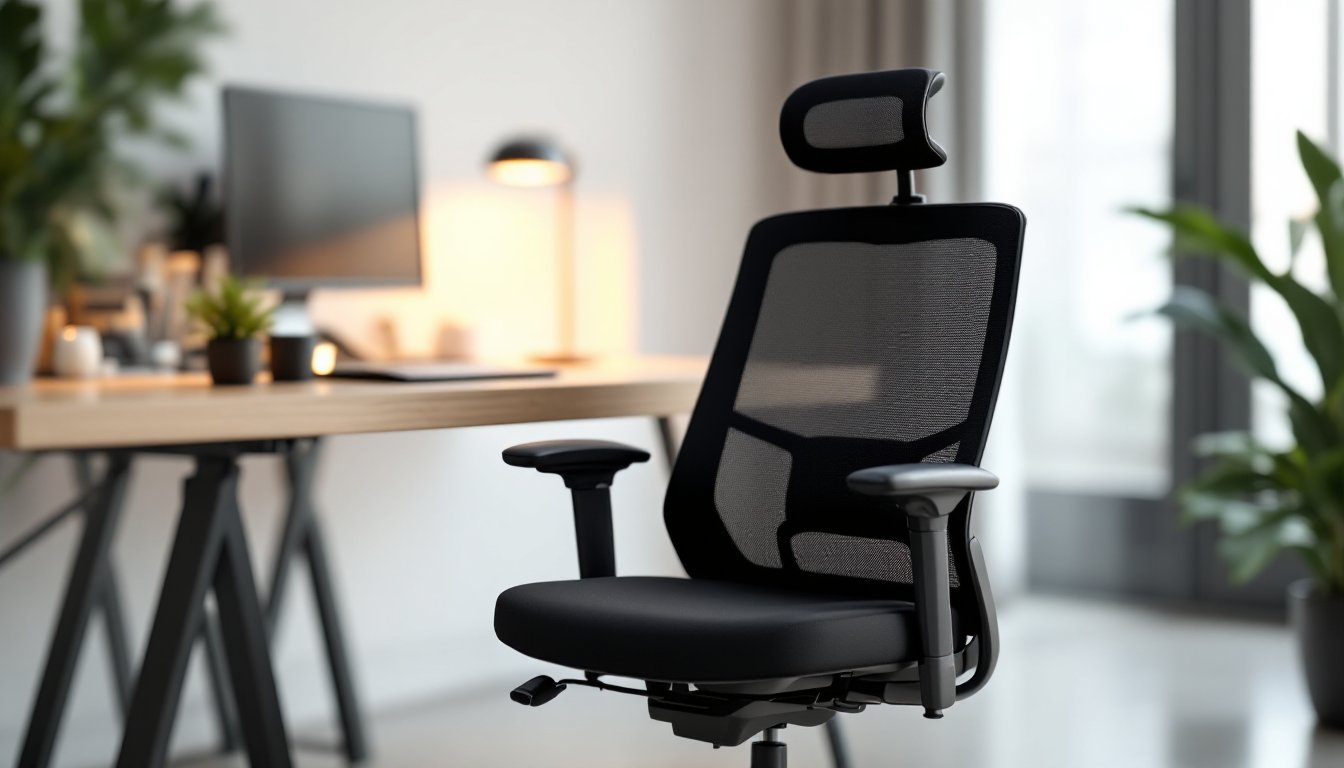
Black mesh office chairs have earned their reputation as the practical backbone of home offices. Unlike leather or fabric upholstery, mesh breathes. When you’re sitting for six or eight hours straight, that airflow matters, your back and legs stay cool, and you don’t end up with sticky sweat patches come afternoon. Mesh also resists stains and dust accumulation better than fabric, making it a low-maintenance choice for busy households.
From a design standpoint, black is the workhorse color. It matches any home office aesthetic, modern minimalist, traditional, industrial, or eclectic, without demanding attention. A black mesh chair sits quietly in the background while you focus on work, then disappears when you’re on a video call. Black also hides wear and minor scuffs better than light colors, so your chair looks professional month after month.
Cost-wise, mesh office chairs occupy the sweet spot between cheap disposable chairs and high-end executive models. A solid black mesh chair runs $150 to $400 for a mid-range option with proper lumbar support and adjustability. That’s a fraction of what you’d pay for designer leather, yet it delivers significantly more comfort than a $40 promotional chair that falls apart in a year. For most homeowners, this is a one-time investment that pays dividends in reduced back pain and better work focus.
Beyond your home office, a black mesh chair works as a guest chair, a temporary desk seat when you’re tackling bills at the kitchen table, or even a reading perch in a bedroom. The versatility makes it one of the smartest furniture purchases you can make for a home.
Key Features to Look For When Choosing a Black Mesh Office Chair
Not all black mesh chairs are created equal. Before adding one to your cart, know what separates a chair that’ll last five years from one that’ll wobble and sag after six months.
Breathability and Support Material
Mesh quality varies widely. High-density mesh, typically a woven nylon or polyester blend, holds its shape and provides firm support without sagging. Lower-quality mesh stretches over time and loses its tension, leaving you sinking into the chair like it’s a hammock. When comparing chairs, look for breathable mesh backing that feels taut and substantial when you press on it, not thin and papery.
The seat cushion matters just as much. A high-density foam core (at least 2 inches thick) provides comfort without bottoming out. Cheap chairs skimp on cushion density to cut costs: you’ll feel the hard base within months. If shopping online, check product reviews specifically for mentions of cushion durability, real users will tell you if the seat flattens quickly.
Underlying support materials like the seat base and backrest frame should be reinforced plastic or metal. Metal frames last longer and handle heavier users better, though they cost more. Plastic works fine if it’s engineering-grade and reinforced at stress points like armrest connections.
Ergonomic Design and Adjustability
Ergo features separate office-grade chairs from decorative ones. Essential adjustments include seat height, backrest recline, and lumbar support depth. A good chair lets you fine-tune all three without tools. Avoid chairs where you need an Allen wrench every time you want to adjust the lumbar support, that’s a sign you won’t maintain proper support throughout the day.
Armrests should be adjustable in height and width. Fixed armrests force your arms into one position: adjustable ones let you match your desk height and arm length. This prevents shoulder strain during long typing sessions.
Look for a tilt tension knob on the underside of the seat. This lets you control how easily the backrest reclines, so you can lean back without the chair feeling unstable. Cheap chairs have no tension control or it doesn’t work smoothly.
Wheel base matters too. Five-point bases are more stable than four-point bases and won’t tip when you lean to grab something from the floor. Smooth-rolling casters protect wood floors: harder casters suit tile or concrete. Some chairs come with swappable wheel bases, which is handy if you move between flooring types.
How to Set Up Your Black Mesh Office Chair for Maximum Comfort
Buying the right chair is half the battle. Setting it up correctly is the other half, and where most people fail. A perfectly good chair can feel uncomfortable if you’re sitting in it wrong.
Start with seat height alignment. Your feet should rest flat on the floor with thighs parallel to it. Elbows should be at a 90-degree angle when your arms rest on the desk or armrests. If your feet dangle, add a footrest. If your elbows bend sharply upward, your desk is too high or your chair is too low.
Adjust lumbar support next. This is the inward curve in the backrest that supports your lower spine. Your chair should have a lumbar dial or lever on the back. Set it so the curve aligns with the natural curve of your lower back, usually about 4 inches above your belt line. Too high, it digs into your ribs: too low, it leaves your spine unsupported. Spend two minutes getting this right: your back will thank you.
Recline slightly when you’re typing to reduce strain on your neck and shoulders. A 5- to 10-degree recline with moderate tilt tension is the sweet spot for most people. Lay back too far and you’re lounging, not working. Keep it snug enough that you feel anchored, not so tight that the chair feels rigid.
Armrest height should put your forearms parallel to your desk surface when you’re seated. Many chairs let you adjust armrest height by 2 to 4 inches: use that. If armrests are fixed and too high or low, some people remove them entirely and rely on desk height for arm support, unconventional but effective if that’s your setup.
Take breaks. Even in a great chair, sitting for four hours straight is rough on your back. Stand, walk, and stretch every 60 to 90 minutes. A brilliant chair is still just a chair: movement is what your spine really needs.
Styling Your Home Office With a Black Mesh Chair
A black mesh office chair is a neutral foundation that plays well with almost any design direction. The key is using it as a starting point, not pretending it’s invisible.
In a minimalist setup, let the chair fade into clean lines and open space. Pair it with a simple desk in natural wood or matte metal, soft lighting, and just a few functional pieces. The black chair becomes one quiet element in an uncluttered room. This approach works beautifully in small spaces where visual clutter feels suffocating.
For modern industrial aesthetics, pair the black mesh chair with a metal-frame desk, exposed shelving, and concrete or polished concrete flooring. The mesh echoes the industrial vibe, honest materials, function-first design, no frills. Add a dark rug or metal accessories to tie it together.
In warmer, traditional home offices, the black chair can ground the space without fighting the decor. Wood paneling, warm lighting, and natural textures keep the room from feeling cold, while the black chair anchors the furniture arrangement. Think leather-bound books, a desk lamp with a warm bulb, and maybe a framed print on the wall.
When styling, think about what you see on camera. If you’re on video calls, what’s behind you matters. A single plant to one side of your chair, a framed print or two on the wall, and good task lighting make a huge difference. Many designers on interior design ideas and platforms like Apartment Therapy emphasize that a clean, well-lit workspace, not an elaborate backdrop, reads as professional and put-together.
Don’t overthink it. A black mesh chair, a desk that fits your work style, proper lighting, and good cable management will look more polished than a perfectly styled desk that’s cramped and uncomfortable.
Maintenance and Care Tips to Extend Chair Lifespan
A well-maintained mesh chair easily lasts five to seven years. Cheap maintenance can add another few years to that.
Weekly care: Brush off dust and crumbs with a soft-bristled brush or vacuum hose attachment. Mesh accumulates fine particles that can compress the material over time. Ten seconds a week prevents buildup.
Monthly cleaning: Use a damp microfiber cloth to wipe down the mesh, backrest, and seat cushion. For stubborn stains, a mild soap solution works, just don’t soak the mesh. Air dry completely before using the chair again. Moisture trapped in the foam or mesh invites mildew.
Address spills immediately: Mesh resists staining better than fabric, but liquid can seep through to the cushion underneath. Blot (don’t rub) with a clean cloth, then apply a dry towel to absorb moisture from below if possible. Coffee or dark liquids may leave faint stains on white mesh seats, so consider a chair with a dark cushion if you eat or drink at your desk.
Check fasteners quarterly: Bolts and screws loosen over time. A wobbly armrest or loose backrest often just needs a quick tightening with the Allen wrench your chair came with. Tighten any loose connections before they snap.
Protect the wheels: If you roll your chair frequently, vacuum around the wheel base monthly. Hair and dust wrap around the axles and slow movement. Stiff, squeaky wheels are usually just clogged with debris.
Avoid direct sunlight: Extended UV exposure can fade black mesh and weaken synthetic materials. Position your desk away from large windows, or use a curtain or shade to filter harsh light.
If your chair squeaks, a silicone-based lubricant on the tilt mechanism often fixes it. Never use oil or WD-40: these attract dust and make the problem worse. When something breaks, a wheel, an armrest, a hydraulic cylinder, many manufacturers sell replacement parts. A $30 part swap beats replacing the entire chair. Check your chair’s manual or contact the manufacturer for part compatibility.