Table of Contents
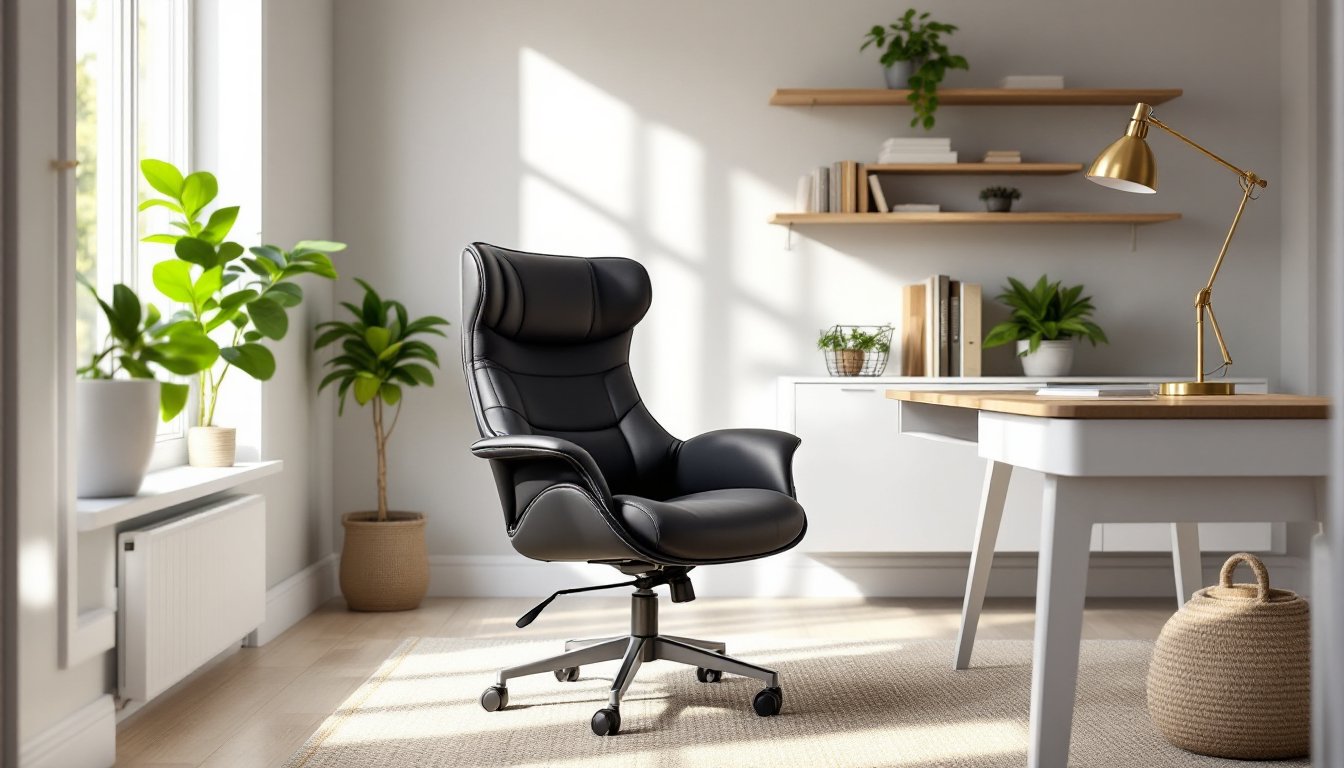
ToggleA quality black executive office chair isn’t just furniture, it’s the foundation of a productive home office. Whether you’re working from home full-time or managing side projects, you’ll spend hours in that seat, so getting it right matters. A well-chosen black executive office chair supports your posture, enhances your room’s professional aesthetic, and can last for years with proper care. In this guide, we’ll walk you through what separates a durable investment from a cheap imitation, and how to pick the chair that actually fits your space and work style.
Key Takeaways
- A black executive office chair combines neutral aesthetics with professional appeal, making it a versatile investment that matches any home office décor while signaling intent and productivity.
- Prioritize ergonomic features like adjustable lumbar support, seat height adjustment, and 3D-adjustable armrests to prevent discomfort and long-term back problems during extended work sessions.
- Evaluate material quality carefully—mesh offers breathability for long hours while genuine or bonded leather provides spill resistance and durability; verify frame construction and weight capacity as indicators of longevity.
- Scale your black executive chair to your desk proportions and use lighting, texture, and contrast to prevent your workspace from feeling too dark or flat.
- Extend your chair’s lifespan with weekly dusting, prompt spill cleanup, annual hardware checks, and caster maintenance—simple habits that protect a $400–$1,500 investment for years.
Why a Black Executive Chair Is the Ultimate Home Office Staple
A black executive office chair works hard in any home office because it’s the ultimate neutral. Black matches everything, whether your décor runs modern and minimalist or warm and eclectic. Unlike trendy colors that date quickly, a quality black chair remains a solid anchor for your workspace for a decade or more.
Executive-style chairs also signal intent. When you sit in one, you’re telling yourself (and anyone on a video call) that this space is serious. The high back, padded armrests, and substantial base convey professionalism without screaming “corporate cubicle.” This is why they’ve become the default for home offices where people manage their own businesses or handle demanding remote work.
From a practical standpoint, black is forgiving. It hides dust, pet hair, and the inevitable spills that happen near a desk better than lighter colors. If you’re investing $400 to $1,500 in a chair, durability and easy maintenance matter. Black executive chairs deliver on both fronts when you choose quality materials and construction.
Key Features to Look for in an Executive Office Chair
Ergonomics and Comfort Considerations
The most expensive chair in the world is garbage if it leaves your back screaming after four hours. Look for adjustable lumbar support, this is the curve that cradles the small of your back and prevents slouching. Entry-level chairs often have fixed lumbar curves that don’t fit everyone: mid-range and premium options let you dial it in to your spine’s actual shape.
Seat height adjustment is non-negotiable. Your feet should rest flat on the floor with thighs parallel to the ground when you’re working. A 5–8 inch pneumatic cylinder (the gas piston under the seat) is standard and typically provides smooth height adjustment from roughly 17–21 inches. Test the range before buying, your desk height and leg length determine what works.
Armrests should be 3D adjustable if possible: height, depth, and sometimes width. Your elbows should hover near your sides at roughly a 90-degree angle when you’re typing. Non-adjustable or too-high armrests force your shoulders up (tension headaches) or too-low ones encourage slouching. If a chair only has fixed armrests, keep looking.
Tilt tension and tilt-lock are underrated features. A chair that tilts too easily (or not at all) becomes fatiguing. You want to recline slightly while remaining in control. Most quality chairs let you adjust tilt resistance via a knob or lever, so you can fine-tune it to your weight.
Material Quality and Durability
Mesh versus leather is the first fork in the road. Mesh breathes better and suits hot home offices: leather (or faux leather) cleans easier and projects sophistication. For a black executive chair, both work, but understand the trade-off: mesh wins on comfort during eight-hour days, leather wins on spill resistance and a polished look.
If you choose leather, confirm it’s genuine or bonded leather, not PVC “leather-look” plastic. Genuine lasts longer and feels better, though it costs more. Bonded leather (scraps glued together) sits in the middle, better than cheap vinyl, but not as durable as full-grain genuine leather.
For mesh, check the fabric composition and thread count. Higher-density mesh resists pilling and sag better. Run your hand over it: if it feels thin and flimsy in a showroom, it’ll be worse after six months of daily use.
Base and casters matter too. A nylon or aluminum base is standard: aluminum is stiffer and lasts longer but costs more. Casters should roll smoothly on your floor type, hard plastic casters work on carpet, but harder floor surfaces (wood, tile) need rubber-coated casters that won’t scratch. Five casters is the minimum for stability: anything less risks tipping.
The chair’s frame construction is invisible but critical. Steel or reinforced plastic frames outlast hollow plastic. Check weight capacity, a robust chair rates for 250–300+ pounds: cheaper chairs often max out at 200. Even if you’re lighter, higher capacity typically means thicker materials and longer lifespan.
Seams and stitching reveal build quality too. Uneven, loose, or missing stitches mean the manufacturer cut corners, and the chair will fall apart faster. Examine arm seams, the back seam, and where fabric meets the base.
Styling Your Black Executive Chair Within Your Office Design
A black executive office chair anchors the room but doesn’t have to dominate it. Pair it with a modern black home office aesthetic, or let it recede into a warm, layered design by adding contrast through walls, lighting, and desk finishes.
If your home office runs monochromatic (blacks, grays, whites), the chair blends seamlessly. Add visual interest with metallic accents, a brass desk lamp, copper pen holder, or gold-framed wall art, so the space feels curated, not bland. Texture matters when everything’s dark: a woven wall hanging, a sheepskin throw over the chair back, or a textured rug beneath the desk prevents the room from feeling flat.
In a warmer office with wooden desks and earth tones, a black chair creates a professional anchor without clashing. The key is proportion and breathing room. Don’t surround the black chair with all dark furniture: balance it with a lighter desk, pale walls, or an open shelving unit that shows more of the room behind it. Resources like Design Milk feature contemporary furniture pairings that show how black pieces work in diverse color schemes.
Lighting interacts with the chair’s finish. Matte black absorbs light and feels sophisticated but can make a small office seem darker. Glossy black reflects light and can feel more energetic, though it shows fingerprints and dust more visibly. Neither is “wrong”, it depends on your room’s natural light and whether you prefer a cozy or bright workspace. An executive home office desk alongside a black chair reinforces the professional aesthetic while giving you thoughtful storage and work surface.
Scale the chair to your desk. A delicate small desk looks overwhelmed by a massive executive chair: a sprawling desk needs a substantial chair, or the proportions feel off. Most home offices work best with a mid-to-large chair, but measure your room and test the proportions if shopping in person.
Maintenance and Long-Term Care Tips
A black executive office chair is an investment, and small habits extend its life significantly. Vacuum or wipe it down weekly with a soft, dry cloth to prevent dust buildup in mesh or creases in leather. This is the single easiest preventative step.
For leather and faux leather, use a leather-specific cleaner every few months. Avoid harsh chemicals or water-soaked cloths, dampen a cloth with cleaner, wipe gently, and dry with a second cloth. For mesh, a soft brush works if dust settles in texture: a handheld vacuum with a brush attachment is even faster. Never saturate mesh with water unless you’re doing a deep clean, which happens maybe once a year.
Address spills immediately. Blot (don’t rub) with a dry cloth first, then treat the stain with appropriate cleaner. For leather, use leather stain remover: for mesh or cloth, a mild dish soap solution works. Dried spills are exponentially harder to remove than fresh ones.
Check the chair’s hardware and fasteners annually. Bolts loosen over time with daily use, tighten armrests, the seat pan to the base, and any decorative trim. Most manufacturers include an Allen wrench or Phillips screwdriver in the box: keep it in a drawer. Wobbly armrests or creaking often signal loose bolts, not failure.
Caster care extends the lifespan of your whole chair. Lint and hair wrap around the wheels and impede smooth rolling. Every couple of months, flip the chair upside down (carefully) and pull out wrapped fiber. For stubborn buildup, use a damp cloth and small brush. Clean casters glide better and reduce strain on the base.
Keep the chair out of direct sunlight. UV exposure fades black leather and weakens mesh fibers. If your office has a sunny south-facing window, position the chair in shade or use a window treatment like room makeovers that control light, this protects the chair and improves your working comfort. A modern black home office setup typically includes window coverings for exactly this reason.
Store the chair properly if you’re moving or renovating. Wrap it in plastic or a furniture pad, and don’t stack other items on top of it, this crushes foam and damages fabric. Transport it in a vehicle where it won’t slide around or tip.
Conclusion
Choosing a black executive office chair isn’t glamorous, but it’s one of the smartest investments you’ll make in your home office. Focus on ergonomics first, verify build quality before you buy, and commit to basic maintenance. A solid chair adapts to any design scheme, supports your productivity, and lasts years longer than a bargain replacement every couple of seasons. Your back, and your wallet, will thank you.