Table of Contents
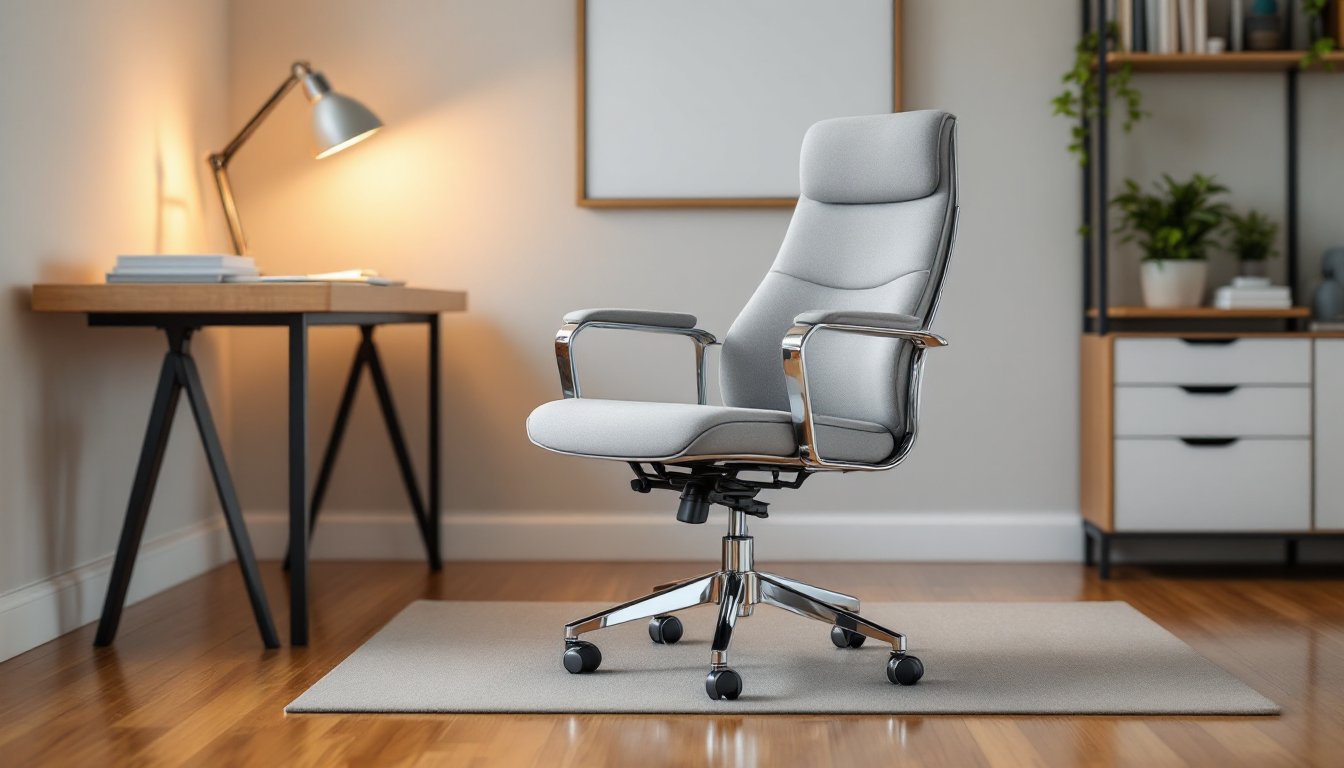
ToggleA chrome office chair does more than fill a spot behind your desk, it signals that you’ve moved beyond the worn-out mesh seat collecting dust in the corner. Modern chrome office chairs blend industrial elegance with genuine comfort, making them a practical upgrade for anyone spending hours at a desk. Whether you’re outfitting a new home office or refreshing an existing workspace, a quality chrome chair delivers both visual polish and functional support that actually makes a difference in your workday. The key is knowing what to prioritize: stability, ergonomic features, and a design that suits your space.
Key Takeaways
- A chrome office chair combines industrial elegance with durability and maintenance ease—chrome-plated steel resists corrosion and reflects grime, making it a practical upgrade that looks intentional in any workspace.
- Prioritize ergonomic fundamentals: lumbar support, seat height adjustability (17–21 inches), and adjustable armrests positioned for a 90-degree elbow angle to prevent back pain during long work sessions.
- Ensure stability by selecting a chrome office chair with a base spanning at least 24 inches in diameter, 5 castered legs, and a welded connection between the base and seat rather than a pressed fit.
- Match your chrome chair’s design style to your space—choose mid-century modern for warm, retro offices; industrial for warehouse aesthetics; minimalist Scandinavian for tight modern spaces; or task-focused for maximum ergonomic functionality.
- Maintain your chrome finish with weekly microfiber cloth wipe-downs using only mild dish soap and water, avoiding abrasive cleaners and harsh chemicals that can etch and dull the surface.
- Invest in a chair mat or furniture pads to protect engineered hardwood and laminate flooring, and address upholstery stains immediately to prevent long-term damage to your chair.
Why Chrome Office Chairs Are a Game-Changer for Modern Home Offices
Chrome office chairs have become a staple in contemporary workspace design because they solve a real problem: balancing aesthetics with practicality. The chrome base and frame catch light and draw the eye, creating a sense of polish and intentionality in an office, something cheap plastic seats simply can’t achieve. More importantly, chrome construction offers genuine functional benefits.
Chrome-plated steel is exceptionally durable and resists corrosion better than bare metal or lesser finishes. This matters when your chair is a daily workhorse. The material withstands moisture, fingerprints, and the general wear that comes from leaning, swiveling, and rolling across flooring. Unlike powder-coated finishes, a proper chrome plate reflects rather than absorbs grime, meaning maintenance stays straightforward.
Beyond durability, the chrome aesthetic works with almost any office style, whether you’re going for mid-century modern, minimalist Scandinavian, or industrial warehouse chic. A chrome chair serves as a visual anchor that elevates the entire workspace without demanding a complete redesign. Paired with a wooden desk, it reads warm and approachable: next to glass and steel, it feels sharp and professional.
There’s also a psychological element worth noting: sitting in a chair that looks and feels well-made affects how you approach work. A quality chrome chair signals investment in your own comfort and productivity, which translates into better posture, fewer distractions caused by discomfort, and a workspace you actually want to spend time in.
Key Features to Look For When Selecting a Chrome Office Chair
Not all chrome office chairs perform the same way, and the most expensive option isn’t always the best fit for your needs. Start with ergonomic fundamentals: lumbar support, seat height adjustability, and armrest positioning. Your lower back should have a gentle curve of support, generic flat seats are a recipe for back pain after a few hours. Confirm the chair offers a wide range of seat height adjustment, ideally 17 to 21 inches, so your feet rest flat on the floor and your thighs sit parallel to your desk surface.
Armrests should move (not fixed) and adjust in height so your elbows sit at roughly a 90-degree angle when your hands are on your keyboard. Many budget chairs skip adjustable armrests entirely, forcing you into unnatural shoulder positions. That’s a false economy.
Tilt and recline mechanics matter more than aesthetics. A chair with a tilt-tension adjustment lets you control how much effort it takes to lean back, preventing that sudden flop backward that happens with cheap tension springs. Multi-position locking mechanisms allow you to lock the chair upright for focused work or recline slightly for thinking and phone calls.
Caster quality is often overlooked. Hard plastic wheels on a hardwood or tile floor create noise and can damage flooring: soft-tread casters grip better and protect surfaces. If you have hardwood, consider felt-padded casters or a desk mat.
Base and Stability Considerations
The chrome base must be engineered for stability, not just appearance. A proper office chair base spans at least 24 inches in diameter with a minimum of 5 castered legs. Bases smaller than this feel tippy when you shift your weight, especially if you recline. Check the weight capacity, reputable manufacturers list this clearly. If you’re over 250 pounds, confirm the chair is rated for your range rather than assuming.
The connection between the base and the seat (the gas cylinder and support column) should be a welded or heavy-threaded assembly, not a pressed fit that loosens over time. A wobbly connection becomes unbearable within months. Some chairs ship with loose connections, don’t assume everything arrives tight. Inspect and hand-tighten fasteners before your first use.
Floor protection matters too. Modern homes increasingly feature engineered hardwood and laminate, which scratch easily. A chair mat or furniture pads aren’t optional if you value your flooring. The cost of a mat is trivial compared to refinishing scratches.
Design Styles: Finding the Perfect Chrome Chair for Your Office Aesthetic
Chrome office chairs come in more variety than the basic “modern” aesthetic might suggest, and matching the right style to your space makes the chair feel integrated rather than imposed.
Mid-Century Modern chrome chairs feature slightly curved backs, often upholstered in leather or quality fabric, paired with tapered chrome legs. These work beautifully in spaces with wooden desks, warm lighting, and vintage or retro accents. The chrome feels intentional and period-appropriate rather than cold. Search platforms like modern design furniture to see how contemporary designers incorporate these pieces.
Industrial styles emphasize raw function. Think exposed stitching, darker upholstery, heavier chrome frames, and minimal padding. These chairs lean into warehouse or loft aesthetics and pair well with brick, exposed ductwork, or metal shelving.
Minimalist Scandinavian chrome chairs typically feature light upholstery (often white, gray, or natural), clean lines, and a compact frame. They occupy visual space without feeling heavy and work in tight quarters or all-white modern offices.
Task Chair Modern strips down to essentials: mesh or light fabric, simple chrome frame, and maximum ergonomic adjustment. These aren’t statement pieces, they’re honest, functional chairs that disappear visually while supporting long work sessions. Professionals who spend 8+ hours daily in their chairs often prefer this straightforward approach.
When shopping, place a potential chair in your space mentally or look at actual photos showing the chair in similar environments. Products sites like Houzz offer design galleries where you can see how different chrome chairs work in actual offices, which helps you gauge scale and visual impact. Interior design resources like home furnishing ideas also showcase how chairs integrate into complete room designs. Upholstery color matters enormously, a chrome chair with black leather reads differently than one in pale gray fabric, even if the chrome base is identical.
Maintenance and Care Tips for Long-Lasting Chrome Finishes
Chrome looks impressive but requires basic maintenance to stay pristine. The good news: it’s straightforward and doesn’t demand special products or technique.
Weekly wipe-downs are your best defense. Use a soft, lint-free microfiber cloth slightly dampened with water, that’s often enough for dust and light grime. For fingerprints and buildup, add a drop or two of mild dish soap to your cloth and wipe gently in the direction of the grain (chrome does have a grain, and working with it prevents streaking). Dry immediately with a second cloth to prevent water spots. This 30-second routine keeps chrome looking sharp.
Avoid abrasive cleaners, scouring pads, and harsh chemicals. Steel wool, bleach, and acidic cleaners etch and dull the chrome finish and can create corrosion points. Bar keepers friend works well for stubborn spots, but use sparingly and only on small areas.
If chrome develops small rust spots even though good care (often from humidity or coastal salt air), light rubbing with a chrome-specific cleaner and a soft cloth usually restores it. Catch these early, waiting months gives corrosion a foothold. Waxes designed for chrome (typically applied as a liquid and buffed) add an extra protective layer, though regular cleaning alone is usually sufficient for interior office environments.
Environment matters. Coastal homes, bathrooms, or damp basements accelerate chrome degradation. If your office is in a particularly humid space, slightly increase cleaning frequency and consider a dehumidifier for the room.
Upholstered portions of your chair require separate care. Vacuum with a soft brush attachment weekly to prevent dust from settling into fabric. For stains, address them immediately with a cloth and cool water, letting stains set makes them harder to remove. Keep food and drinks away from the chair: a coffee spill on your seat is far more damaging than chrome maintenance ever is. Most quality chairs ship with cleaning codes on the tag. Follow those recommendations if they exist.
Conclusion
A chrome office chair is an investment in both your workspace and your daily comfort. Choosing one means evaluating ergonomics seriously, matching the aesthetic to your space, and committing to straightforward maintenance. The right chair becomes invisible, you don’t think about it because it supports you properly and looks intentional in your environment. That’s when you know you’ve made a good choice.