Table of Contents
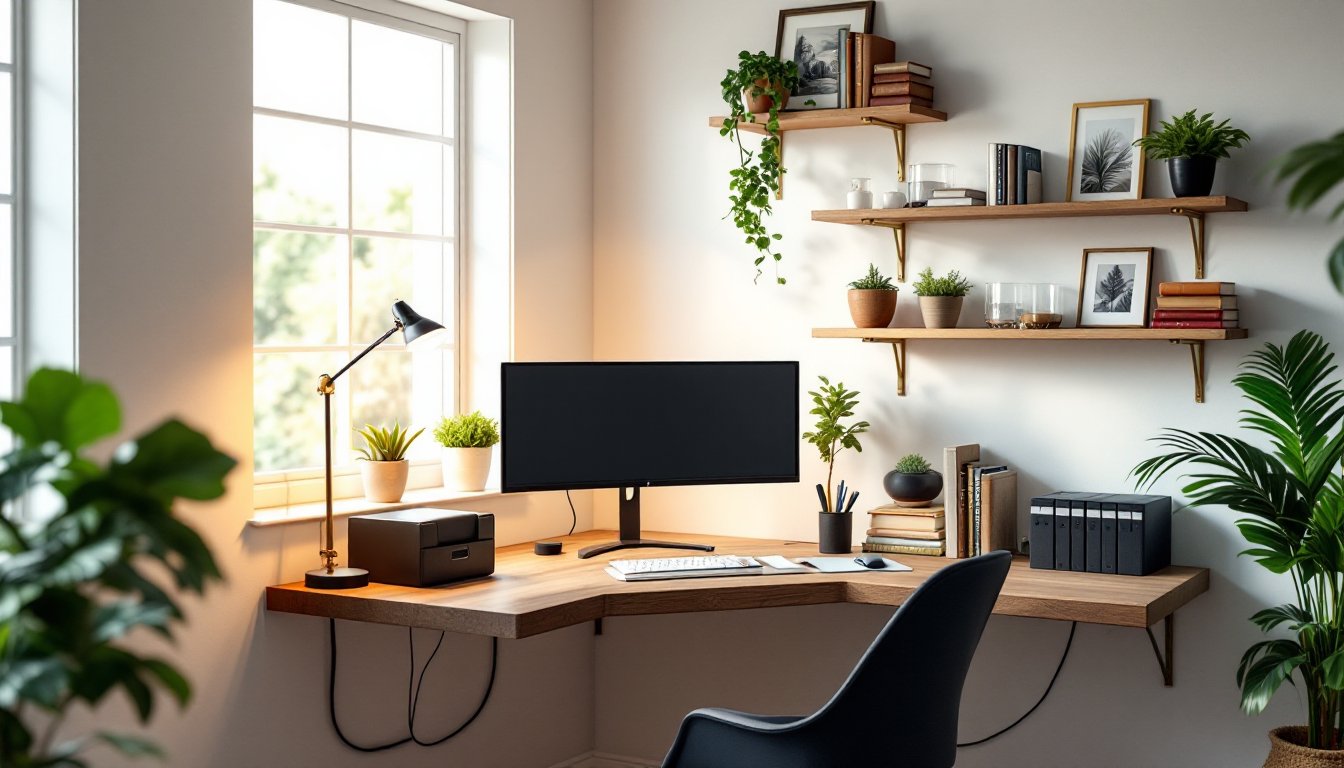
ToggleA well-designed corner office desk with shelves transforms underutilized space into a powerhouse productivity zone. Whether you’re squeezing a home office into a bedroom or claiming a corner of the living room, this layout maximizes square footage while keeping everything within arm’s reach. A corner desk paired with built-in or integrated shelving eliminates the clutter that derails focus and gives you dedicated storage without eating up floor space. The right setup pays dividends for anyone working from home, tackling hobbies, or running a side business. Let’s walk through how to pick, arrange, and customize a corner desk system that actually works.
Key Takeaways
- A corner office desk with shelves maximizes small spaces by using wall real estate vertically, freeing up floor space while keeping everything within arm’s reach for improved focus and productivity.
- Proper desk height (28–30 inches) and depth (24 inches minimum) with strategic shelf placement 12 inches above the work surface creates an ergonomic setup that reduces eye strain and mental fatigue.
- Built-in cable management through desktop grommets and adhesive raceways is essential for both safety and functionality, preventing tangled cords that derail workflow.
- Solid wood corner desks ($400–$1,200) offer durability, while engineered wood and metal-frame hybrids provide budget-friendly alternatives without sacrificing stability.
- Organizing shelves by function and grouping like items with clear labeling keeps frequently used references front and center, saving time hunting for documents and supplies.
Why Corner Desks With Built-In Shelving Work So Well
Space-Saving Benefits and Design Advantages
Corner desks are the Swiss Army knife of home office furniture. They use wall space most people ignore, tucking your work surface into the angle where two walls meet. This simple geometry frees up the center of your room, making even a small office feel bigger. When you add shelves above or beside the desk, you’re not commandeering any additional floor real estate, you’re climbing vertically.
The shelving piece is equally smart. Instead of a separate bookcase competing for space, built-in or desk-integrated shelves keep references, supplies, and decor right at eye level. You can grab a document, check a reference book, or locate your power cable without getting up or hunting across the room. This proximity cuts dead time and keeps your focus sharp.
Beyond logistics, a cohesive corner desk and shelf system reads cleaner than scattered furniture. Your eye travels in one unified gesture, down the desk, up the shelves, across the wall, rather than ping-ponging between pieces. That visual calm actually reduces mental fatigue, especially during video calls when your background matters. Modern home office desks showcase how a strategic layout elevates both function and aesthetics.
Choosing the Right Corner Desk and Shelf Configuration
Materials, Styles, and Budget Considerations
Corner desks come in three broad flavor profiles: solid wood, engineered wood with veneer, and metal-frame hybrids. Solid wood (walnut, oak, ash) costs more but ages beautifully and handles weight well, critical if you’re stacking heavy books or monitors. Engineered wood (plywood or MDF with veneer) hits the sweet spot for most DIYers: affordable, stable, and lighter to move. Metal-frame desks with laminate or wood surfaces offer modern aesthetics and durability, though they can feel industrial if that’s not your vibe.
Shelves attached to desks usually measure between 8 and 12 inches deep, enough for books, décor, and small plants without blocking sightlines. Floating shelves look sleeker but require solid wall anchors rated for your load. Bracketed shelves are more forgiving and can be adjusted or removed easily. Wall material matters: drywall alone won’t hold much, so you need to hit studs (typically 16 inches on center) or use heavy-duty toggle bolts rated for your shelf’s weight and contents.
Budget-conscious builders often start with basic home office bookshelves and customize them. A 60-inch solid-wood corner desk runs $400–$1,200 depending on finish and wood species. Shelves add $150–$400. Ready-to-assemble (RTA) options cut costs but sacrifice stability and longevity. IKEA Hackers shows how budget furniture can be enhanced with modifications, custom paint, and real-wood tops.
Design and Layout Tips for Maximum Functionality
Measure twice. Your corner desk should sit 28–30 inches high, leaving enough clearance under the surface for your thighs when seated. Depth should be at least 24 inches so monitors and keyboard don’t perch at the room’s edge. A 60-inch corner (30 inches on each wall) handles two monitors and keeps paperwork accessible.
Lighting is non-negotiable. Overhead fixtures cast shadows across your work surface: task lighting mounted on shelves or clamped to the desk eliminates glare and reduces eye strain. Position lights so they shine on the work surface, not into your camera during calls. Windows are a bonus but require blackout options for video meetings during daytime.
Cable management makes or breaks the experience. Drill grommets (1.5–2 inch holes) through the desktop surface before assembly, then thread power and data cables underneath and up the back wall. Adhesive cable raceways or clips keep lines tidy and prevent tripping hazards. Some desks include built-in cable channels, worth the extra cost.
Shelves above the desk should start around 12 inches above the work surface so you can see over them and they don’t crowd your head. Modern black home office setups demonstrate how thoughtful placement creates both visual balance and usable space. If you’re going the DIY route, Ana White’s free plans include several corner desk and shelf combinations with exact measurements and cut lists.
Organizing Your Shelves and Workspace Efficiently
Shelves are only valuable if you can find what you need. Group like items: books by category or use, supplies in matching containers, and décor pieces by color or height. Tall items on the ends, smaller pieces toward the center, this creates visual balance and prevents the shelves from looking random.
Label containers and drawers. Yes, it takes five minutes, but it saves hours hunting for that specific USB cable or contract draft. Clear plastic bins let you see contents at a glance without opening them. Avoid overstuffing: a shelf that’s 70% full still looks organized. One that’s packed to the gills screams chaos, even if everything has a home.
Rotate seasonal items and reference books. If you only consult a manual twice a year, store it in a lower shelf or cabinet, freeing prime real estate for daily-use items. Vertical file holders keep documents upright and visible. Desktop file trays work for active projects, but anything older than a month deserves filing or scanning.
Consider a home office bookcase layout that mirrors your workflow. Frequently used references front and center, less common tools toward the ends. If you’re researching or building, Fix This Build That offers workshop setup guides that apply equally to corner office organization.
DIY Installation and Customization Options
If you’re building from scratch, start with a solid corner desk base, either buy prefab or source a quality 3/4-inch plywood top and edge-band it with hardwood trim for a polished look. Secure the top to a frame using pocket holes (a Kreg Jig makes this foolproof) or traditional screws driven from underneath. This approach costs less and lets you dial in dimensions to your exact space.
For shelves, locate studs on both walls using a stud finder. Mark studs with pencil: they’re usually 16 inches apart. Heavy-duty shelf brackets require one fastener per stud minimum. Predrill holes, especially in older homes with hard plaster, to prevent splitting. Use 2.5-inch wood screws driven into studs: toggle bolts work if you can’t hit studs, but they’re less stable. Space brackets 24 inches apart for standard shelves: wider spacing requires thicker shelving material.
Finish work makes a huge difference. Stain and polyurethane protect wood and look professional. Two coats of polyurethane (sanding lightly between coats with 120-grit paper) create a durable, wipeable surface. Paint shelves a contrasting color or match the walls, either works if done cleanly. Use primer first on bare wood to ensure even color.
Safety notes: Wear safety glasses when drilling overhead work. Use a dust mask when sanding or drilling into drywall. If your area requires permits for built-in work (rare for cosmetic projects, more common for structural changes), check your local building department. Home office built-in office cabinets often require permits if they’re anchored to load-bearing walls or involve electrical work: cosmetic shelves typically don’t, but verify locally. Always have a helper when handling large panels or installing shelves at shoulder height, a dropped board or tool can ruin a day.