Table of Contents
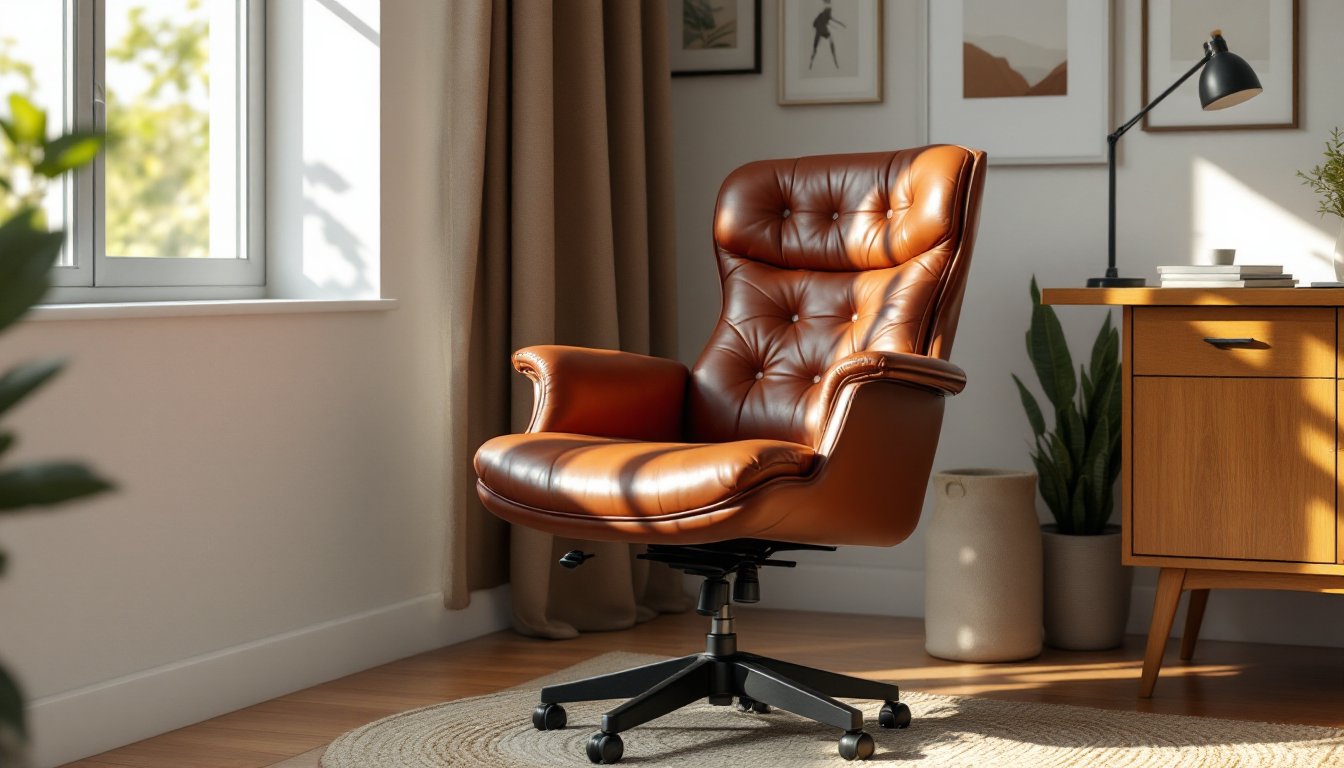
ToggleA cowhide office chair is more than just a place to sit, it’s an investment in your workspace’s aesthetics and your own comfort during long work sessions. Whether you’re setting up a home office for the first time or upgrading from an old desk chair, cowhide offers a unique combination of durability, timeless appeal, and tactile warmth that synthetic materials struggle to match. Unlike fabric or mesh chairs that deteriorate quickly with daily use, cowhide develops character over time, patinas with age, and can last for decades with proper care. This guide walks you through everything you need to know about selecting, maintaining, and styling a cowhide office chair that’ll work as hard as you do.
Key Takeaways
- A cowhide office chair combines durability, natural breathability, and timeless appeal, developing character and patina over decades unlike synthetic alternatives that deteriorate quickly.
- When selecting a cowhide office chair, prioritize ergonomic fit with adjustable seat height, proper lumbar support, and full-grain leather quality that will age beautifully with use.
- Maintain your cowhide office chair with weekly damp-cloth wipes and monthly leather conditioner applications, while keeping it away from direct sunlight and extreme temperatures to prevent drying and cracking.
- Cowhide chairs serve as powerful design anchors—pair cognac or chocolate brown hides with warm wood desks for warmth, or black hides with modern minimalist spaces for sleek contrast.
- A long-lasting cowhide office chair reduces your environmental footprint through longevity; look for suppliers with transparent sourcing and vegetable-tanned options that prioritize animal welfare and responsible practices.
What Makes Cowhide an Ideal Office Chair Material
Cowhide stands out among office chair materials because it combines practical durability with genuine aesthetic appeal. It’s a natural material that’s naturally resistant to spills, dust accumulation, and daily wear, qualities that make it far superior to fabric in a busy work environment. Water-based liquids bead up on the surface instead of soaking in, and dust doesn’t cling to it the way it does to woven textiles. A quick wipe with a damp cloth clears most surface grime without needing special cleaning agents.
Beyond maintenance, cowhide has inherent structural advantages. The material doesn’t degrade or lose its shape under sustained pressure the way foam or mesh can. Your chair won’t develop permanent seat divots after six months of daily use. Cowhide is also naturally breathable, it won’t trap heat and sweat the way synthetic leather or heavy fabric does, making it more comfortable during extended sitting sessions.
The visual appeal shouldn’t be overlooked either. Cowhide chairs have a premium look that elevates even modest office spaces. Unlike plastic or vinyl furniture that screams “temporary,” a genuine cowhide chair signals that you’ve invested in quality. The material develops a patina over time, deepening in color and developing a worn-in charm that actually improves its character rather than making it look shabby.
Choosing the Right Cowhide Office Chair for Your Space
Selecting a cowhide office chair means balancing three factors: ergonomic fit, aesthetic compatibility with your workspace, and the quality of the leather itself.
Start by examining the chair’s base and support structure. Look for a 5-star base with casters suitable for your floor type (hardwood, tile, or carpet). Check that the seat height is adjustable, you want your feet flat on the floor and your thighs parallel to the ground when sitting upright. Gas cylinders (the pneumatic mechanism that adjusts height) should be rated for your weight. Backrest support matters: some cowhide chairs have high backs for lumbar support, while others have lower backs for a more minimalist look. Your choice depends on whether you need back support during 8-hour workdays or if you’re working shorter shifts.
Cowhide quality varies significantly. Full-grain cowhide (the top layer of the hide with the natural surface intact) is more durable and develops better patina than corrected-grain or bonded leather. Full-grain shows natural marks, scars, and variations, characteristics that authenticity seekers appreciate, though some prefer unblemished surfaces. Ask sellers about hide sourcing and tanning methods: vegetable-tanned cowhide ages beautifully but costs more than chrome-tanned alternatives.
Assessing Size and Ergonomic Fit
Measure your workspace before purchasing. A large cowhide chair can overwhelm a small home office, while an undersized seat will feel cramped and uncomfortable. Standard office chair seat widths range from 17 to 21 inches. If you’re broad-shouldered or plan extended sitting, lean toward the wider end. Check the chair’s overall height and depth: can you reach your desk comfortably? Will the backrest clear a shelving unit behind your chair?
Test the chair if possible, or buy from retailers with generous return policies. Comfort is personal, some people prefer firm support, others want a softer seat. A chair that feels perfect in a showroom might feel different after an hour of actual work. Check weight capacity ratings, especially if you’re a heavier person or plan to use the chair for tasks requiring you to shift positions frequently. Quality cowhide chairs typically support weights of 200–300+ pounds depending on the frame construction.
Care and Maintenance Tips for Long-Lasting Cowhide
Cowhide requires less maintenance than fabric, but neglecting it will eventually lead to drying, cracking, and premature wear. The goal is to keep the leather hydrated and protected from excessive sunlight and heat.
Daily care is minimal: wipe spills immediately with a dry cloth, and once weekly, give the chair a gentle wipe-down with a soft, slightly damp cloth. Avoid soaking the leather or leaving water sitting on the surface. For sticky residues or tough stains, use a mild leather cleaner (pH-balanced, designed for furniture) applied sparingly to a cloth, then wiped away with a damp cloth. Test any cleaner on an inconspicuous area first.
Monthly, apply a leather conditioner formulated for furniture. Full-grain cowhide, especially vegetable-tanned hides, naturally loses moisture over time. A quality conditioner replenishes oils, maintains suppleness, and enhances the patina. Don’t over-condition, once monthly is sufficient. Too much product builds up and attracts dust. Use a small amount, work it in with a soft cloth, and buff away excess.
Preventative measures extend lifespan significantly. Keep the chair away from direct sunlight, which fades and dries cowhide over time. If your workspace has large windows, consider a light shade or reposition the chair seasonally. Avoid heat sources like radiators or space heaters. Don’t expose cowhide to extreme cold, which makes it brittle. In low-humidity climates, conditioning every 2–3 weeks prevents cracking. High-humidity environments require less frequent conditioning but benefit from occasional air circulation to prevent mildew.
Spot repairs are possible for minor damage. Small scratches often diminish on their own as patina develops. Deeper gouges can be treated with leather repair kits available online, though results vary. For major damage, deep cuts, large stains, or structural issues, professional leather restoration is an option, though costs can run $100–500+ depending on damage severity.
Styling Your Home Office With a Cowhide Chair
A cowhide office chair works as a design anchor, and its success depends on coordinating it with your broader workspace aesthetic. A cognac or chocolate brown cowhide pairs beautifully with warm wood desks and vintage-inspired décor. Black or dark brown hides suit modern minimalist offices. Patterned cowhide (speckled, brindle, or spotted) makes a statement and works best in spaces with neutral walls and simple desk setups to avoid visual overload.
Consider your desk material and finish. A cowhide chair with a solid wood desk creates warmth and texture that speaks to quality craftsmanship. With a metal or glass desk, the cowhide adds organic contrast. Industrial workspaces benefit from cowhide’s toughness, it balances raw materials without looking out of place.
Lighting affects how cowhide reads visually. Warm overhead lighting enhances the richness of darker hides and brings out their depth. Task lighting directed at your desk area helps prevent eye strain during work. If your chair sits in front of a blank wall, consider adding one or two framed prints or a simple shelf nearby. A cowhide chair doesn’t need to be surrounded by matching leather accessories, mix it with woven textures like jute, linen, or wool to keep the space inviting rather than overly formal.
Layout matters too. Position the chair so you’re not staring directly into sunlight, which strains eyes and fades the leather. Interior design resources often highlight furniture placement principles that enhance both comfort and visual flow, which applies equally to home office setups. A well-positioned cowhide chair draws the eye and becomes part of the room’s story rather than an afterthought.
Sustainable and Ethical Considerations
Choosing a cowhide office chair isn’t automatically more sustainable than choosing alternative materials, but it can be if you prioritize longevity and ethical sourcing. A chair that lasts 20+ years has a far smaller environmental footprint per year of use than a cheap mesh chair that ends up in a landfill after five years. This durability argument is key: sustainability isn’t just about the material itself, it’s about how many times you’ll need to replace it.
When sourcing, ask suppliers about hide origin and tanning methods. Vegetable tanning uses natural tannins from tree bark and is less chemically intensive than chrome tanning, though it’s pricier and colors more slowly. Look for suppliers who source from established ranches with documented animal welfare standards rather than mystery suppliers. Some manufacturers use hides as a byproduct of the food industry, which means the cow was raised for meat and the hide was repurposed, a more efficient use of resources than raising animals solely for leather.
That said, synthetic leather (polyurethane or PVC) made from petroleum is not automatically more ethical. Production often involves volatile organic compounds, the material degrades faster in landfills, and workers in synthetic leather factories face significant chemical exposure. Genuine cowhide biodegrades within a few decades. The choice between cowhide and synthetic eventually depends on your values: if you prioritize reducing chemical exposure and supporting agricultural byproduct use, cowhide wins. If you’re vegan or uncomfortable with animal products, synthetic is the right choice, just understand the tradeoffs.
Buy from companies with transparent sourcing practices. Reputable manufacturers disclose tanning methods, hide origins, and often share certifications from leather councils or environmental bodies. Luxury home design standards often emphasize responsible material sourcing, and quality office furniture makers are increasingly following suit.
Conclusion
A cowhide office chair is a practical, long-term investment that marries durability with aesthetic presence. The material outperforms synthetics in longevity, comfort, and aging characteristics. Whether you’re furnishing a new home office or upgrading an old workspace, selecting the right cowhide chair means considering ergonomic fit, leather quality, and how it meshes with your design goals. Simple maintenance, monthly conditioning and prompt spill cleanup, keeps it in good shape for decades. Cowhide chairs develop character with age, telling the story of the work that’s happened in them. That combination of practicality and personality is hard to find elsewhere.