Table of Contents
ToggleYour office walls don’t have to be blank and boring. Whether you’re setting up a home office for the first time or refreshing a tired workspace, creative office wall decor can transform a dull room into an inspiring place where you actually want to work. From sleek minimalist designs to bold accent colors, there’s a wall strategy for every taste and skill level. This guide walks you through practical options, some you can hang in an afternoon, others that take a weekend project. Let’s turn those bare walls into something worth looking at.
Key Takeaways
- Creative office wall decor transforms bland workspaces into inspiring environments by combining strategies like minimalist designs, gallery walls, and functional shelving tailored to your style.
- Minimalist wall designs rely on neutral bases, single statement pieces, and the rule of thirds to create visual balance without clutter—stick to one or two frame styles for cohesion.
- Sustainable wall decor options include cork panels, reclaimed wood shelving, and eco-friendly prints from independent artists, while living plant walls provide genuine air quality benefits with proper LED lighting.
- Gallery walls succeed through careful planning on paper before drilling, mixing frame styles within a limited color palette, and maintaining 2–3 inches of spacing to avoid a chaotic appearance.
- Functional shelving and floating display options (8–12 inches deep) require stud location or heavy-duty anchors, and curated styling with books, plants, and decorative objects creates professional aesthetics.
- Accent walls using deep jewel tones or warm earth tones energize offices without overwhelming the space—always test paint samples in morning and evening light before committing to the full wall.
Modern Minimalist Wall Designs
Minimalist office walls focus on clean lines and intentional negative space. The goal is to eliminate visual clutter while keeping the room functional and calm.
Start with a neutral base: soft whites, warm grays, or muted beiges work best. From there, add a single statement piece, a large abstract print, a framed architectural photo, or a simple wooden floating shelf. Minimalism isn’t about emptiness: it’s about choosing exactly what belongs.
One effective approach is the rule of thirds: divide your wall into an imaginary 3×3 grid and place your focal point where the lines intersect. This creates visual balance without cramming the space. For example, a 24×36-inch print positioned off-center looks intentional and refined.
Your home office wall art choices should serve a purpose, whether that’s inspiring you, displaying important reference material, or simply providing a break from screen monotony. Avoid mixing too many frame styles or colors: stick to one or two for cohesion. Metal frames feel modern: natural wood leans warmer. Both work, but consistency matters.
Materials like canvas, metal prints, or unframed paper on poster rails keep the aesthetic clean. Avoid ornate gilt frames or busy wallpaper patterns, they fight against the minimalist goal.
Sustainable Materials and Eco-Friendly Wall Decor
If sustainability matters to you, your wall choices can reflect that commitment. Cork wall panels, reclaimed wood shelving, and recycled paper wall art are gaining traction in home offices.
Cork is a natural choice for bulletin boards and accent panels. It’s warm, renewable, absorbs sound (a bonus in offices), and won’t off-gas like some plastics. Actual dimensions: standard cork sheets run 12×12 inches or 24×48 inches: they’re easy to cut to size and install with adhesive or nails.
Reclaimed wood brings character and history to a wall. A 1×6 board (actually 5.5 inches wide and 0.75 inches thick in nominal sizing) can function as shelving or trim work. The weathered patina adds visual interest without requiring painting or finishing. Check local salvage yards or online reclaimed suppliers, prices vary widely by region and wood type.
For art, seek out prints from eco-conscious creators who use recycled or FSC-certified paper. Many independent artists now offer digital downloads you can print locally, cutting shipping emissions. Black-and-white botanical prints on recycled stock look polished and align with sustainable values.
Green walls (living plant walls) are also trending. They require LED grow lights and proper humidity but provide genuine air quality benefits. Start small: a single 2×2-foot moss wall or a series of hanging planters is more manageable than a full installation.
Gallery Walls and Curated Collections
A gallery wall is a collection of frames, prints, and objects arranged cohesively on a single wall. Done well, it feels curated: done poorly, it looks chaotic. The key is planning before you drill.
Start on paper or use a digital layout tool: arrange your frames at actual size on kraft paper, tape the paper to the wall, and mark hole locations with a pencil. This saves you from drilling holes you’ll regret. Spacing matters, 2 to 3 inches between frames usually works: too tight feels crowded, too loose feels scattered.
Mix frame styles, but limit your palette. For example, combine black metal, natural wood, and one white frame. Vary print sizes to avoid a grid-like monotony. Include a mix of artwork, family photos, and personal items like framed certificates, maps, or even a small woven wall hanging.
Materials for framing include aluminum (lightweight, modern), wood (warm, versatile), and acrylic (minimal, contemporary). Budget $15–$50 per frame depending on quality and size.
Trends shown on interior design platforms now favor asymmetrical gallery walls and mixed-media displays over rigid grids. A combination of textiles, mirrors, and shelves within the gallery creates depth and personality. Just resist the urge to overcrowd, negative space is part of the design.
Functional Decor: Shelving and Floating Displays
Functional decor does double duty: it looks good and serves a purpose. Wall shelving is the classic example.
Floating shelves (shelves with hidden brackets) create a clean look. Standard depths are 8, 10, or 12 inches: lengths range from 18 to 48 inches. Weight capacity varies by bracket quality and wall type, generally 15 to 50 pounds per shelf. Never exceed the manufacturer’s rating, especially over a desk where items could fall.
Installation requires locating studs or using heavy-duty anchors. For drywall, toggle bolts or expanding anchors rated for at least 25 pounds each are minimum. Wood studs (typically 16 inches on center) are ideal. A stud finder ($15–$40) saves guesswork.
What you display matters as much as the shelf itself. Stack books horizontally, lean framed prints against the wall, and add small decorative objects with purpose, a plant, a small sculpture, a wooden bowl. Avoid cluttering every inch: give items breathing room.
Alternatives include wall-mounted cabinets with doors (hide clutter), pegboards (modular and adjustable), and picture ledges (rails that let you swap prints easily). For offices, an open bookshelf aesthetic balances accessibility with visual interest.
Your workspace background also benefits from thoughtful shelf styling. If you’re on video calls, curate your visible shelves with intention, coordinated spines and a few choice decorative items photograph well on camera.
Accent Walls and Bold Color Choices
An accent wall is one wall painted a distinctly different, usually bolder color than the rest of the room. It works especially well in offices where you want to energize the space without overwhelming it.
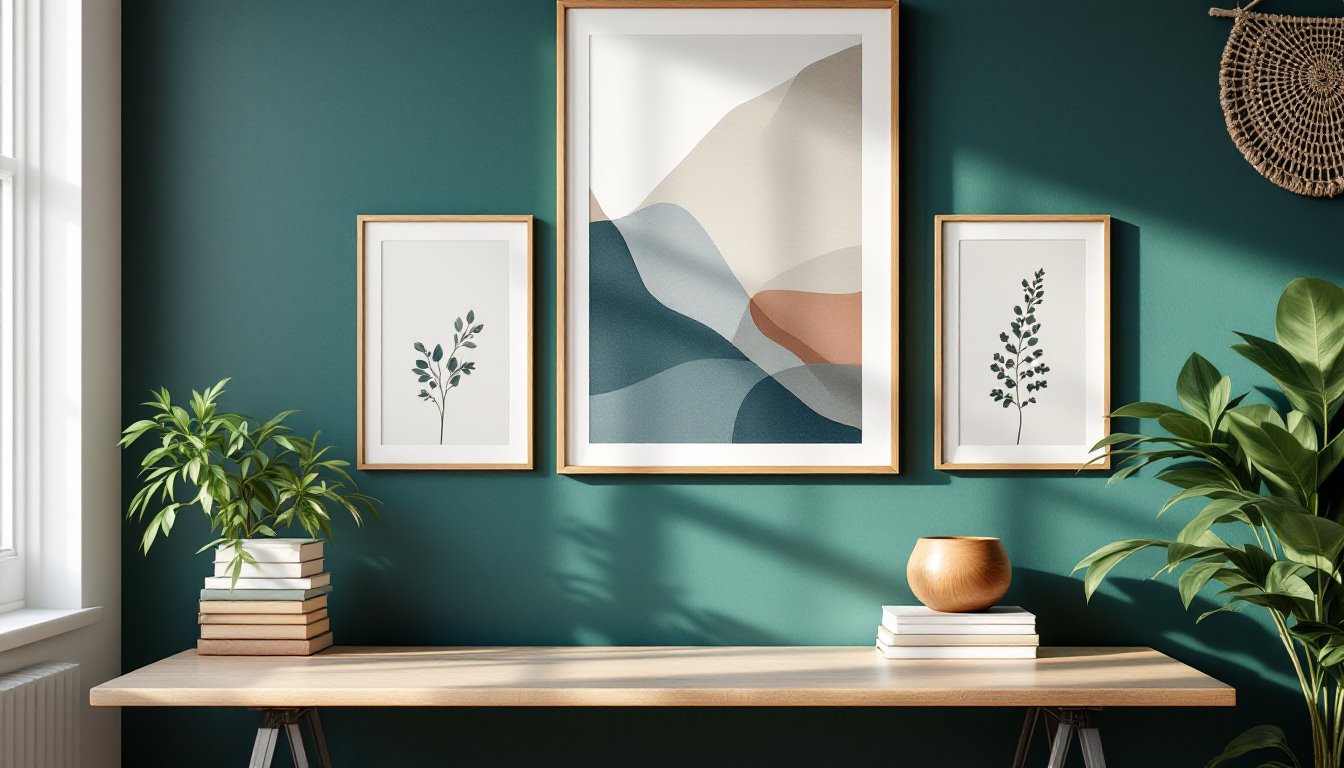
Deep jewel tones (emerald, sapphire, rich burgundy) feel sophisticated and absorb light, creating a cocoon-like atmosphere. Warm ochres and terracottas add earthiness. Muted blacks or charcoal grays create drama in a modern black home office. Avoid neon or overly bright shades, they cause eye strain and fatigue during long work sessions.
Before committing, buy a pint of your chosen color and apply it to the wall. View it in morning and evening light over a few days. Paint appearance shifts dramatically depending on the time of day and natural light in your room.
Preparation is 80% of paint success: clean the wall, sand any glossy spots, fill holes and gaps with spackling compound, and apply primer (especially important for deep colors or if you’re painting over white). Use painter’s tape along the ceiling, baseboards, and adjacent walls for clean edges. Quality interior latex paint (Sherwin-Williams, Benjamin Moore, Behr) costs $30–$50 per gallon: one gallon covers roughly 350 square feet.
Paint in broad strokes, keep a wet edge to avoid lap marks, and apply two coats. Allow 24 hours drying time between coats. The wall will feel alive once complete, pair it with lighter furniture and artwork to keep the room balanced.
DIY Wall Art Projects and Installations
If you’re handy, custom wall art can be the ultimate expression of your office style, and it costs far less than buying finished pieces.
Painted murals don’t require art school skills. Many DIYers start with geometric patterns: tape off lines with painter’s tape, paint within sections, and peel the tape while paint is wet. A simple chevron, stripes, or color-blocked design adds personality without being complicated. Use matte finish paint for a polished look and apply multiple thin coats rather than one thick one.
Shiplap walls are trendy and doable. Shiplap is tongue-and-groove boards, typically 0.5 to 0.75 inches thick and 4–10 inches wide. You’ll need a stud finder, a miter saw or circular saw, a nail gun, and patience. Each board overlaps the next: you’re essentially creating a lined pattern. It’s a weekend project on a single accent wall. Prime and paint afterward for a finished look.
Wooden slat walls (similar to shiplap but with gaps between boards) are simpler if you’re less experienced. Thin 1×3 or 1×4 lumber spaced 1–2 inches apart creates visual warmth. Attach with finishing nails or a brad nailer.
String art and macramé suit minimalist or boho aesthetics. String art requires nails, string, and a design template (print or sketch it first). Macramé uses knotted cord, plenty of tutorials exist for wall hangings, and supplies cost under $30.
For painted art without murals, canvas panels ($2–$10 each) accept acrylic paint beautifully. Even abstract splashes or controlled color fields look professional once framed or mounted. Resources like Homedit’s design guides showcase countless DIY-friendly projects if you need inspiration.
Conclusion
Your office walls should reflect your work style and personality. Whether you lean minimalist, bold, sustainable, or creative-DIY, the options are nearly endless. Start with one wall or one shelf, test the concept before committing to the entire room. Measure carefully, prep thoroughly, and don’t skip the foundational steps. The difference between a professional-looking office and an amateurish one often comes down to preparation, not talent. With these approaches in your toolkit, you’ll build a workspace that inspires focus and tells your story every single day.