Table of Contents
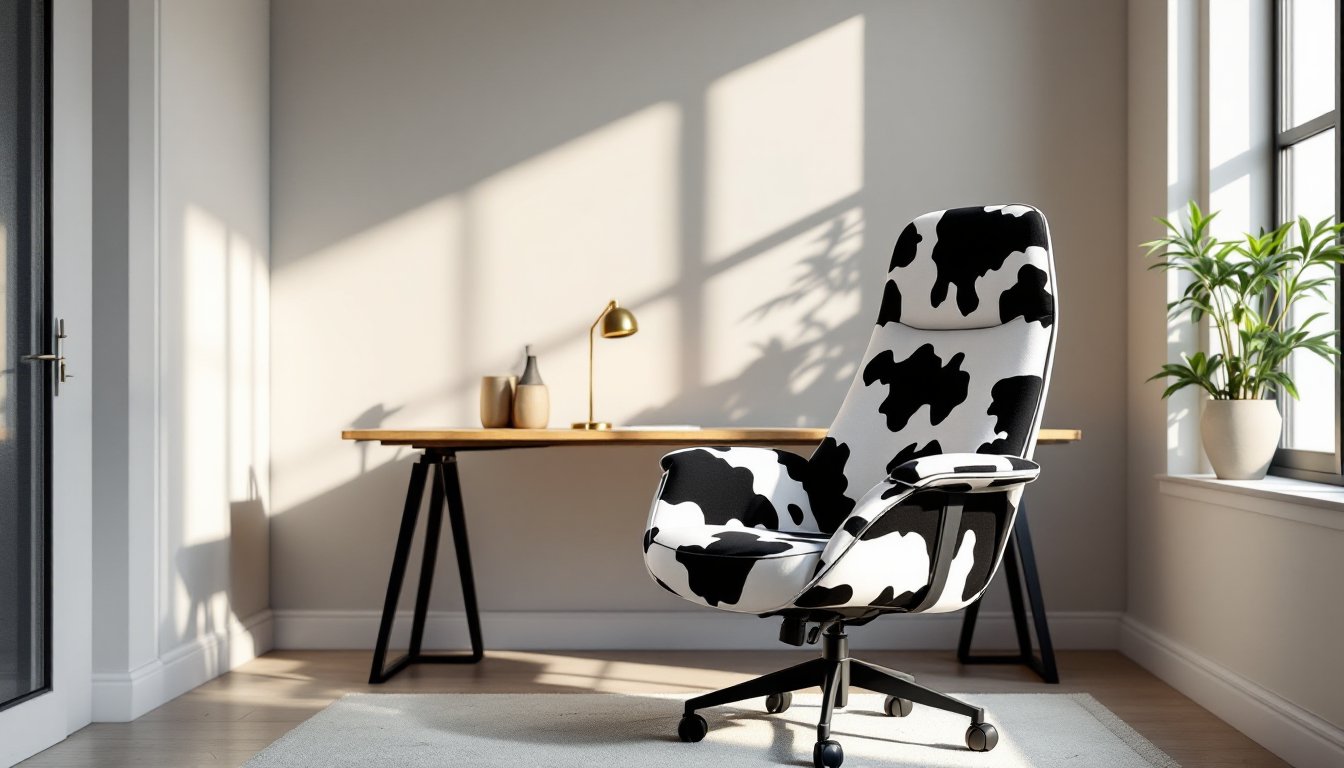
ToggleA cow print office chair sounds quirky at first. But walk into any modern home office or creative workspace in 2026, and you’ll see this pattern trending hard. The bold black-and-white (or brown-and-cream) aesthetic has shed its novelty-item reputation and become a legit statement piece for people who want personality in their workspace without sacrificing function. If you’re tired of gray upholstery and beige bland, a cow print office chair offers the visual pop most home offices desperately need, paired with the ergonomic support your back actually requires. Here’s how to pick one, style around it, and keep it looking fresh.
Key Takeaways
- A cow print office chair combines bold, pattern-forward design with practical ergonomic support, making it a legitimate statement furniture piece for modern home offices rather than a novelty item.
- When selecting a cow print office chair, prioritize proper dimensions, foam density (at least 2-3 inches), lumbar support, and adjustable features to ensure comfort during long work sessions.
- Style your cow print office chair intentionally by keeping walls neutral, limiting competing patterns to one accent piece, and anchoring the look with complementary furniture tones and minimalist accessories.
- Regular maintenance—including weekly vacuuming, immediate spill treatment, and occasional professional cleaning—keeps your cow print office chair looking fresh and prevents premature wear.
- The bold contrast and recognizable geometry of cow print pattern effectively hide dust and wear while breaking up visual monotony, which can improve focus and motivation in deep-work spaces.
Why Cow Print Is the Trending Statement Furniture Piece for Home Offices
Cow print has moved from novelty territory into genuine interior design legitimacy. The pattern’s high contrast and recognizable geometry make it an instant focal point without requiring you to paint an accent wall or commit to trendy wallpaper you’ll regret in two years. For home offices especially, this matters. You’re spending 8+ hours a day looking at your workspace, and beige is making you numb.
The modern cow print aesthetic taps into a broader design shift toward maximalism and pattern mixing. Contemporary design culture has largely rejected the “more neutral is always better” dogma. Instead, designers embrace bold patterns that inject personality while remaining surprisingly versatile. A cow print chair works alongside minimalist Scandinavian aesthetics, eclectic bohemian setups, and even clean-lined industrial spaces.
Practically speaking, the pattern also hides wear and dust better than solid colors. That’s not glamorous, but it’s honest, and honest is what DIYers respect. The pattern breaks up visual monotony, which can actually improve focus in a space you use for deep work. Some studies suggest that varied visual environments reduce monotony fatigue, though the science here is still emerging. What’s certain is that people report feeling more motivated in spaces they genuinely enjoy looking at, and a bold pattern like cow print delivers that.
Choosing the Right Cow Print Office Chair for Your Space
Not all cow print chairs are created equal. Before you click buy, measure your space, assess your actual usage, and understand what upholstery type you’re dealing with.
Start with dimensions. Your chair needs to fit through doorways and sit comfortably at your desk without consuming half the room. Standard office chair seat heights range from 17 to 21 inches, but verify this against your desk height. Your forearms should rest at roughly 90 degrees when seated at your work surface. If your desk is non-standard height, you may need a chair with excellent adjustment range or a footrest.
Next, consider buying source. Mass-market retailers (Amazon, Wayfair, West Elm) offer cow print chairs in the $200–$600 range. These tend toward synthetic blends or polyester upholstery. Higher-end furniture stores stock genuine leather or performance fabric options at $800+. Online custom upholstery shops let you specify base color and pattern intensity but require longer lead times. Thrift stores and Facebook Marketplace occasionally yield genuine vintage finds at steep discounts, though you’ll inherit whatever condition the previous owner left it in.
Material and Comfort Considerations
Upholstery material is everything. Polyester blend fabrics (the most common for mass-market options) are affordable, durable, and easy to clean but can pill over time and may trap heat in summer. Microfiber offers a soft hand, resists staining decently, and costs less than natural materials, but it can develop shiny wear patches with heavy use. Genuine leather is luxe and ages beautifully, but it requires conditioning and costs significantly more. Performance fabrics engineered for durability (think outdoor-grade materials repurposed indoors) are increasingly common and worth seeking out if you’re rough on furniture.
Foam density and support matter. Cheap chairs skimp on foam depth and use thin layers that flatten within months. Look for at least 2 to 3 inches of seat foam and high-density back padding if you’re using the chair daily. Check return policies carefully, most retailers offer 30 days, but some have stricter windows.
Consider height adjustability, lumbar support, and armrests. If you have lower back issues or spend more than 4 hours a day sitting, lumbar support isn’t negotiable. Some cow print chairs include adjustable lumbar sections: others don’t. Armrests should be height-adjustable to prevent shoulder strain. Wheels should be appropriate for your flooring (hard plastic-casters for carpet, rubber-casters for hardwood to prevent damage).
Styling Your Home Office Around a Cow Print Chair
A cow print chair is bold, so the surrounding environment either plays along or gets overwhelmed. The key is intention. You’re not decorating around the chair as if it’s a mistake you need to hide, you’re treating it as the anchor.
Start simple: Keep your walls neutral (white, warm gray, soft beige). This gives the chair space to be the statement without creating visual chaos. Pair cow print with one other pattern or texture, a woven throw blanket, a geometric area rug, or patterned curtains, but avoid competing for attention. The chair plus one accent prevents the room from feeling theme-park chaotic.
Furniture tones matter. A black-and-white cow print chair pairs naturally with warm wood desks, black metal frames, or brushed brass accents. If you’re working with brown-and-cream variations, lean into warmer wood tones and muted metallics. Contemporary furniture designers often balance bold pattern pieces by anchoring them with neutral or complementary solid-colored supporting furniture.
Creating Visual Balance With Minimalist or Eclectic Decor
For minimalist setups: Let the chair dominate visually. Keep your desk surface clear, use a simple color palette (white, black, natural wood, one accent color), and add greenery in solid-colored pots. The cow print becomes a deliberate visual focal point in an otherwise restrained space. This approach works beautifully and actually emphasizes the chair rather than competing with clutter.
For eclectic, layered spaces: A cow print chair fits right in. Mix it with patterned textiles, collected artwork, and varied textures. Use the chair’s color palette as your guide, if it’s black and white, those become your anchors, and you can layer in accent colors (terracotta, forest green, burnt orange) through pillows, artwork, or desk accessories. Interior designers at Homedit frequently showcase maximalist setups where pattern mixing is deliberate and layered rather than random.
Lighting and accessories should complement, not compete. Task lighting with simple forms (adjustable desk lamps, minimalist track lighting) keeps focus on the chair. Avoid overly ornate lighting fixtures that might fight for visual attention. Desktop accessories, pen holders, a desk pad, a small plant, should follow a consistent color or material story. If your chair is black-and-white, black desk accessories feel cohesive: if it’s brown-and-cream, wood or brass accents anchor the look.
Care and Maintenance Tips for Long-Lasting Durability
A bold pattern hides wear, but it doesn’t eliminate the need for basic care. How you maintain your cow print chair determines whether it looks fresh in three years or tired and faded.
Vacuum regularly. Use an upholstery attachment on your vacuum cleaner weekly if the chair sits in a high-traffic area, or every two weeks for occasional use. This removes dust, crumbs, and pet hair before they work into the fabric fibers. Don’t skip this, embedded dust accelerates wear and creates dull, dingy appearance.
Address spills immediately. Blot (don’t rub) liquid spills with a clean, dry cloth. For food or stubborn marks, mix a small amount of mild dish soap with cool water, apply to a cloth, and gently work into the affected area. Test any cleaning solution on an inconspicuous spot first. Most upholstery can handle this gentle approach: harsh chemical cleaners risk damaging or discoloring the pattern.
Rotate the chair if possible. If you’re not moving it around the room, at least try to alternate which side faces the window or major light source. This prevents uneven fading from UV exposure. If you have a microfiber chair, avoid sitting in the exact same spot every day, redistribute wear by shifting your seating slightly.
Condition leather quarterly if you’ve invested in a genuine leather cow print chair. Use a leather conditioner formulated for furniture, following the product instructions. This keeps the leather supple and prevents cracking. Avoid leaving leather chairs in direct, prolonged sunlight.
Check and tighten hardware annually. Office chairs have bolts, screws, and casters that loosen with vibration and movement. A quick once-over with the appropriate wrench or screwdriver keeps everything secure and prevents squeaking or instability. Most issues are cheap fixes if caught early.
Consider professional cleaning every 2-3 years if the chair receives heavy use or sits in a home with pets or kids. Upholstery cleaners have industrial-grade equipment and solvents designed specifically for fabric types, and it’s far cheaper than replacing the chair prematurely. Luxury decor experts at Elle Decor recommend professional furniture care as part of long-term investment in statement pieces.
Conclusion
A cow print office chair isn’t a gimmick, it’s a functional furniture piece that happens to make your workspace more visually interesting. The pattern is forgiving, the style is current, and the practical benefits (lumbar support, adjustability, durability) are what actually matter when you’re sitting in it eight hours a day. Pick one that fits your space and budget, style it intentionally rather than apologetically, and maintain it properly. Your home office deserves to feel as good as it looks.