Table of Contents
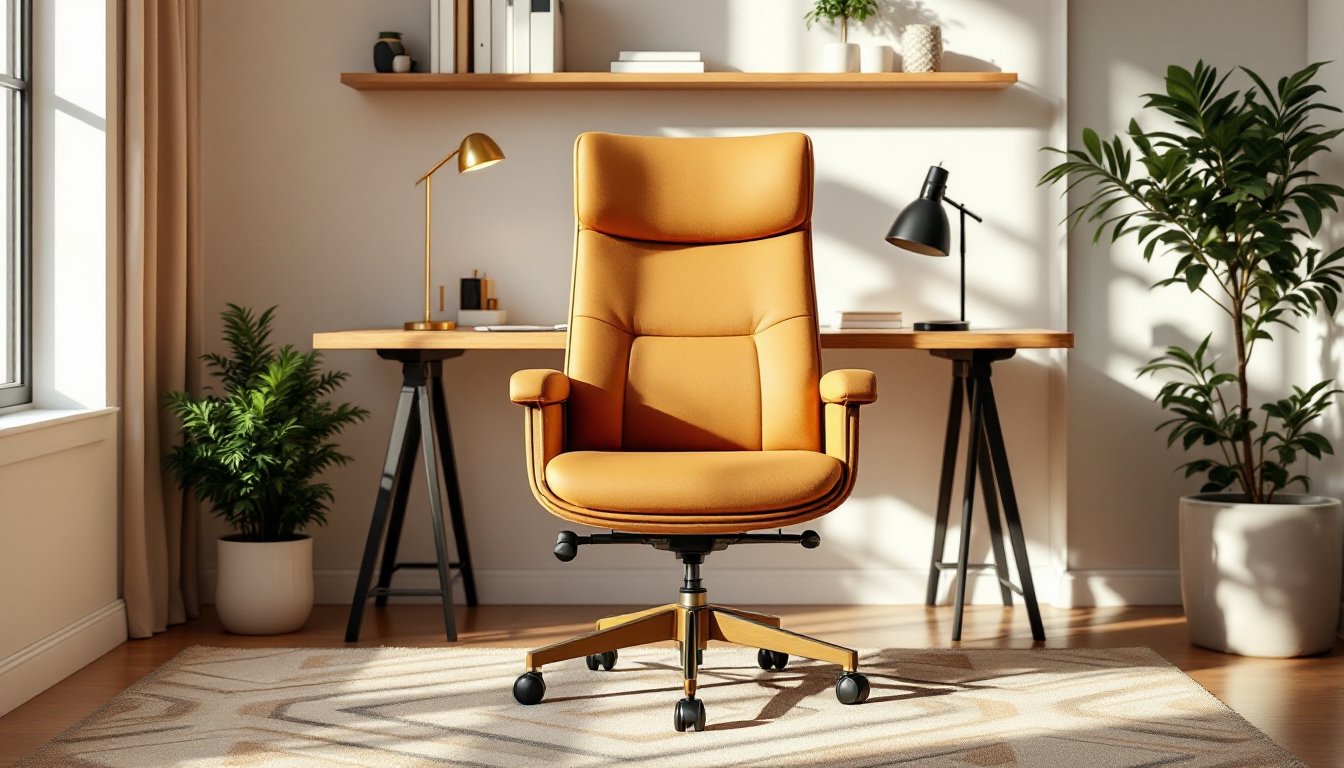
ToggleA camel office chair brings warmth and sophistication to any home workspace without sacrificing comfort or functionality. Whether you’re setting up a professional-looking home office or refreshing your existing workspace, the right camel-colored chair can tie together your décor while providing the support you need for long hours at your desk. This guide walks you through why camel office chairs work so well, what features matter most, how to style them effectively, and how to keep them looking sharp for years to come.
Key Takeaways
- A camel office chair combines warmth and versatility, complementing modern, transitional, and traditional décor while hiding dust and minor stains better than lighter neutral tones.
- Prioritize ergonomic features like adjustable lumbar support, independent seat and armrest controls, and proper height range to ensure comfort during long workdays.
- Select fabric with 13+ oz weight or high-quality leather for durability, and inspect the frame and five-star base for reliable long-term support.
- Layer your camel chair with intentional décor choices like complementary wall colors, area rugs, and storage solutions to anchor your workspace’s design story.
- Maintain your camel office chair with weekly dusting, immediate spill blotting, monthly fabric brushing, and biannual inspections of bolts and casters to preserve its appearance and functionality for years.
Why Camel Office Chairs Are a Smart Design Choice
Camel, that warm, neutral tan, works harder than most colors in interior design. Unlike black, which can feel corporate or sterile, or gray, which risks blending into the background, camel strikes a balance between warmth and versatility. A camel office chair complements modern minimalist spaces just as easily as transitional or traditional décor schemes. It pairs naturally with wood, metal accents, leather, and textiles without demanding attention.
From a practical standpoint, camel hides dust, pet hair, and minor stains better than lighter neutrals like cream or white. This makes maintenance less exhausting, a real advantage when you’re juggling work and home life. Camel also photographs well for video calls, creating a polished backdrop without looking overly staged. If you’re building a professional home office presence, the color confidence matters. Beyond aesthetics, camel upholstery tends to come in high-quality fabrics that withstand daily wear. When combined with solid construction, a camel office chair becomes an investment piece rather than a disposable trend.
Key Features to Look for in a Camel Office Chair
Not all office chairs are created equal, and camel color doesn’t guarantee comfort or longevity. Before you buy, zero in on the features that matter.
Ergonomic Support and Adjustability
Your lower back needs real support, especially if you’re sitting 6+ hours a day. Look for a chair with a pronounced lumbar curve, the inward arch that matches your spine’s natural shape. A flat or generic backrest isn’t enough: you’ll feel the difference within the first week. The best camel office chairs allow you to adjust the lumbar support depth, either through a dial or manual lever system, so the curve matches your body rather than forcing you into a generic position.
Adjustability extends beyond the backrest. You want independent controls for seat height, armrest height and width, and seat depth (the distance from the backrest to the front edge). A reclining mechanism with tension control lets you lean back without feeling unstable. Tilt-lock functionality keeps the chair upright when you need to focus on precision work. Height range matters too, measure your desk height and ensure the chair’s adjustment range lets your forearms sit roughly parallel to the floor.
Material Quality and Durability
The fabric or leather covering determines how well your camel chair holds up. Polyester blends offer durability and easy cleaning, while genuine or faux leather provides a more premium feel and superior stain resistance. Check the fabric weight, measured in ounces per square yard, and aim for 13+ oz for high-traffic use. Lighter fabrics (under 10 oz) may pill or wear thin within a year or two.
Behind the upholstery, examine the frame. Hardwood or reinforced plastic frames withstand shifting weight and reclines better than budget materials. Check the base: a five-star base with smooth casters (wheels) rolls smoothly on hard floors, while locking casters prevent unwanted movement. Base materials vary, nylon, metal, or high-density plastic all work, but test the rolling action before committing. Expect to pay more for quality, but your back and your wallet will thank you long-term.
How to Incorporate a Camel Chair Into Your Home Office Decor
A camel office chair anchors your workspace’s color story. The key is balance, you want the chair to feel intentional, not accidental.
If your desk is medium to dark wood (walnut, espresso, or oak), a camel chair creates natural contrast and warmth. The pairing feels grounded and professional. Pair it with a modern black home office aesthetic by adding black accents, picture frames, a desk organizer, or a monitor arm. The camel softens the severity while the black keeps things sharp.
For a lighter, airier workspace, layer your camel chair with cream or off-white walls, allowing it to become the primary warm tone. Add a patterned area rug that pulls the chair color into the room without matching it exactly, think geometric designs or subtle damasks. Consider incorporating additional modular home office furniture pieces in complementary materials like light gray or soft beige to create depth.
Wall color matters. A soft white or light gray backdrop makes a camel chair pop, while warmer wall tones (sage green, soft terracotta, or warm gray) create cohesion. If you want drama, a deep charcoal or navy wall behind your desk turns the camel chair into a focal point. Add table lamps with brass or wood bases, a few plants for softness, and you’ve created an inviting, professional space. Design inspiration from sources like Apartment Therapy shows how neutral furniture anchors personal style choices, your camel chair works with whatever aesthetic direction you choose.
Storage solutions deserve attention too. A home office built-in cabinet system in matching wood tones or soft white frames creates organization without competing with your camel seating. Floating shelves above your desk can hold books, awards, or decorative objects that reinforce your workspace’s personality. The chair becomes part of a curated whole rather than a random piece.
Maintenance and Care Tips for Long-Lasting Results
Your camel office chair will look great for years with straightforward care. Dust weekly using a soft microfiber cloth or vacuum attachment to prevent grime buildup. For spills, blot immediately with a clean, dry cloth, don’t rub, as that drives liquid deeper into fibers.
For fabric chairs, use a fabric brush monthly to restore nap and remove embedded dust. A lightweight upholstery cleaner applied with a soft brush handles light stains: always test on a hidden seam first. For leather or faux leather, wipe with a damp microfiber cloth and dry thoroughly. A leather conditioner applied twice yearly keeps the material supple and less prone to cracking.
Bases and casters need attention too. Wipe the base with a damp cloth to remove dust that accumulates in crevices. Check that casters roll smoothly and replace any that stick or squeak, replacement casters are inexpensive and usually quick swaps. Tighten any visible bolts or fasteners every 6 months to prevent wobbling.
Position your chair away from direct sunlight, as prolonged exposure fades camel upholstery over time. If you can’t avoid sun, use a desk lamp or monitor position to create shade during peak light hours. Avoid draping jackets or bags over the backrest for extended periods, as that stretches fabric and leaves creases. With these habits, your camel office chair remains a centerpiece of your workspace for a decade or more. Resources like Domino and Homedit frequently discuss furniture care as part of longer-term home investments, treating your pieces thoughtfully pays dividends.
Conclusion
A camel office chair is more than an aesthetic choice, it’s a functional centerpiece that supports comfort, health, and professional presence in your home workspace. By prioritizing ergonomic adjustability, material quality, and thoughtful integration into your décor, you create an environment where work feels intentional and supported. Pair your chair with the right desk, storage, and design touches, then maintain it consistently, and you’ve invested in a piece that works for you for years to come. Your next productive day starts with the right seat.