Table of Contents
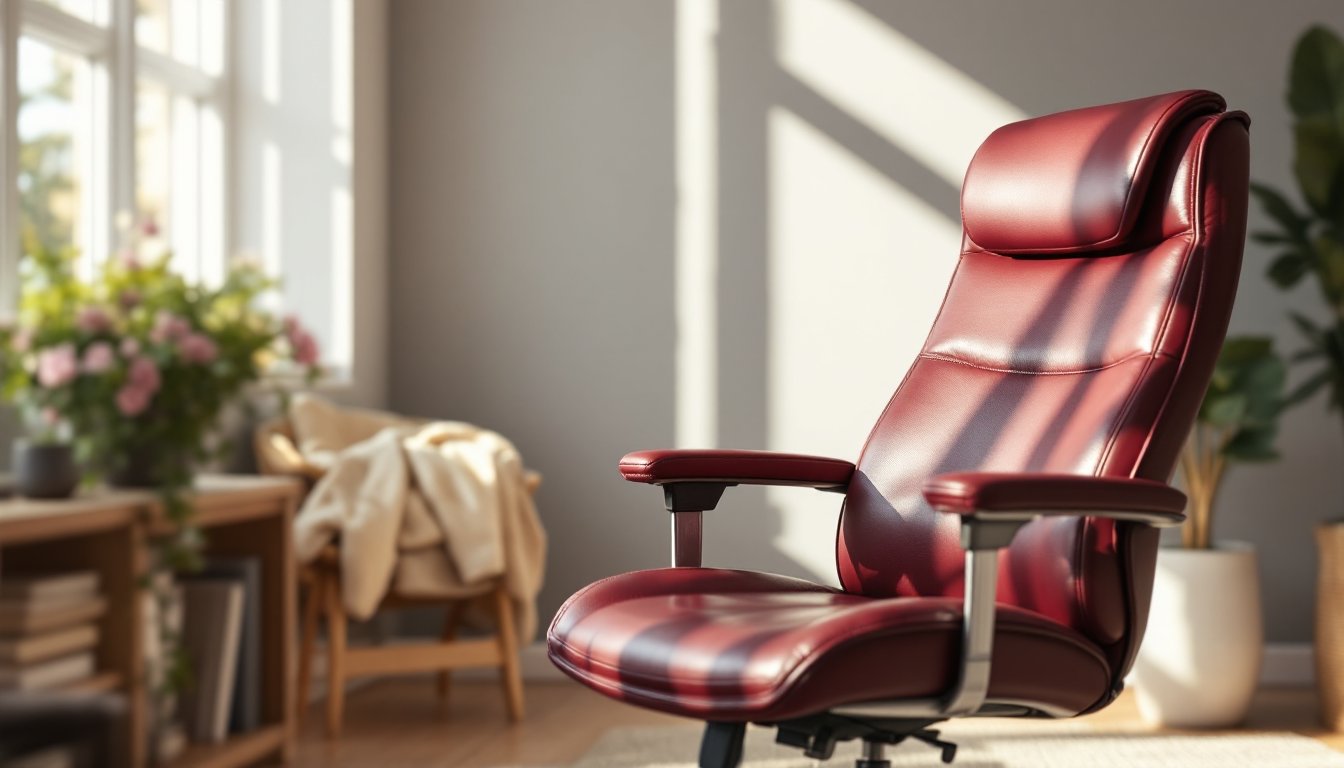
ToggleA burgundy office chair isn’t just a place to sit, it’s a design statement that anchors your workspace with sophistication and warmth. Whether you’re setting up a home office for the first time or refreshing an existing one, selecting the right burgundy office chair involves balancing aesthetics with ergonomics, durability, and your budget. This guide walks you through what matters most: comfort features that support eight-hour workdays, materials that actually hold up to daily use, and styling strategies that make your burgundy chair feel intentional rather than random. By the end, you’ll know exactly what to look for and how to make this investment work for both your back and your space.
Key Takeaways
- A burgundy office chair combines timeless aesthetics with practicality, hiding wear better than lighter colors while remaining professional for video calls and workspace design.
- Ergonomic features like adjustable lumbar support, seat height of 16–21 inches, and armrests that reach elbow height are essential for preventing back pain during long workdays.
- Choose materials based on lifestyle: quality fabric (75,000+ Martindale score) for breathability, genuine leather for premium feel with maintenance needs, or mid-range faux leather for easy cleaning and durability.
- A burgundy office chair looks intentional when paired with neutral walls, warm wood tones, and complementary textiles rather than competing bold colors.
- Mid-range burgundy office chairs ($400–$600) often outperform expensive options, and waiting for sales (July–August, January) or considering certified refurbished models can deliver quality at better value.
- Long-term investment matters more than initial cost—a $500 chair lasting seven years is more economical and ergonomically sound than a cheap option that fails within two years.
Why Burgundy Is the Smart Color Choice for Modern Home Offices
Burgundy works harder than you might think. Unlike trendy accent colors that feel dated in two years, burgundy carries real staying power, it’s professional enough for video calls, rich enough to feel intentional, and neutral enough to pair with virtually any palette. It sits between red and brown on the color wheel, which means it reads as serious without the aggression of pure red, and it adds warmth without the dullness of tan.
From a practical standpoint, burgundy hides wear better than lighter tones. Coffee spills, dust, and the minor scuffs that come with daily use become nearly invisible on a burgundy surface. If you’re investing in a quality chair, you want it to look good for years, and burgundy helps you achieve that without obsessive cleaning.
Burgundy also photographs well during video calls. It provides contrast without distraction, making you the focal point rather than your chair. In design terms, it’s what professionals call a “grounded” color, it anchors a room without overwhelming it, making it ideal for home offices where you’re conducting business or creative work.
Key Features to Look For in a Quality Burgundy Office Chair
Ergonomics and Support for All-Day Comfort
Ergonomics is non-negotiable if you’re spending six or more hours daily in your chair. Start by checking seat height adjustability, the chair should lower to roughly 16 to 21 inches from the floor, allowing your feet to rest flat and your knees to bend at 90 degrees. A quality burgundy office chair will have a pneumatic height adjustment lever that responds smoothly without sticking.
Next, evaluate lumbar support. This is where cheap chairs fail. Your lower back has a natural curve, and a good lumbar support system, whether built-in or adjustable, prevents the slouching that leads to back pain by day three. Sit in the chair for at least 15 minutes if you can: your lower back should feel supported, not just cushioned.
Armrests matter too. Look for adjustable options that let you set them at elbow height when your arms hang naturally. Fixed armrests often force your shoulders into unnatural positions, leading to neck and shoulder fatigue. Padding on armrests should be dense enough not to compress after a few weeks of use.
The seat depth should accommodate your thighs without pressing into the back of your knees. Aim for roughly 16 to 18 inches of usable seat depth, this prevents circulation issues on long days.
Material Durability and Easy Maintenance
Burgundy office chairs come in three main material types: fabric, genuine leather, and faux leather (polyurethane or PVC). Each has trade-offs worth understanding.
Fabric is often the most breathable and comfortable for long sessions, especially in warmer climates. Quality office fabric is specifically designed to resist staining and pilling. Look for fabrics labeled with a Martindale score of 75,000 or higher, this indicates commercial-grade durability. The catch: fabric requires regular vacuuming and occasional spot-cleaning to prevent dust buildup.
Genuine leather develops character over time and feels premium, but it’s expensive and requires conditioning every 6 to 12 months. Burgundy leather in particular can fade unevenly without proper care. Genuine leather is also less breathable, which matters if your office gets warm.
Faux leather splits the difference. It cleans easily with a damp cloth, resists staining, and costs less than genuine leather. Modern faux leathers don’t crack as easily as older PVC versions did, though very cheap versions can still feel plasticky. Mid-range faux leather on a burgundy chair often performs better than budget fabric that pills after six months.
Whichever material you choose, verify that seams are double-stitched and the base material doesn’t feel thin or flimsy. A quality chair should feel solid, not like it might tear if you shift your weight awkwardly.
Styling Your Burgundy Chair With Your Office Décor
A burgundy chair is a statement piece, so intentionality matters. The goal is to make it feel like part of a cohesive design rather than a random purchase.
Pair it with neutral walls. Soft grays, warm whites, or soft beiges let your burgundy chair shine without visual chaos. If your walls are already a bold color, your burgundy chair might compete rather than complement. Neutral walls give you flexibility to adjust the rest of your décor later.
Balance with natural wood. Burgundy pairs beautifully with warm wood tones, oak, walnut, or cherry desks ground the chair and add warmth. This combination feels intentional and professional. Avoid mixing burgundy with too many other deep jewel tones unless you’re deliberately going for a moody, luxe aesthetic.
Add complementary textiles. A burgundy chair looks more polished when surrounded by coordinating elements: a deep cream throw blanket over a nearby bookshelf, a natural fiber rug, or throw pillows in adjacent warm tones. These small additions signal that the color choice was deliberate.
For design inspiration, Houzz and Elle Decor offer curated home office galleries where burgundy furniture appears in professional settings, this gives you a sense of how designers pair these chairs with the rest of the room. Homedit focuses specifically on furniture selection guides and interior styling, making it another resource for seeing burgundy chairs in context.
Budget-Friendly Tips and Long-Term Investment Value
Quality burgundy office chairs range from $300 to $1,500+, and the price jump doesn’t always reflect proportional gains in comfort or durability. A $400 to $600 chair with solid ergonomics and durable fabric often outperforms a $800 chair with trendy design but weak lumbar support.
Timing matters. Office furniture goes on sale during back-to-school (July–August) and post-holiday sales (January). If you can wait, you’ll find quality chairs at 20-30% discounts during these windows.
Warranty is a hidden indicator of confidence. Brands that stand behind their products typically offer 5 to 10-year warranties on the frame and mechanism. A 1-year warranty suggests the manufacturer doesn’t expect the chair to last long. Check the fine print, some warranties only cover defects, not wear-and-tear, which is normal but worth understanding.
Consider refurbished options. Some manufacturers sell certified refurbished chairs at significant discounts. These have been inspected and tested, and often come with the same warranty as new models. This route works particularly well if you want a quality brand but can’t justify full retail price.
The long-term math: A $500 chair that lasts seven years costs roughly $71 per year. A $250 chair that falls apart in two years costs $125 per year. Comfort matters too, chronic back pain from a cheap chair creates costs that go far beyond the chair’s purchase price. Invest in a chair that feels right for your body now, not just on day one.
Conclusion
Choosing a burgundy office chair comes down to three core decisions: selecting one with ergonomic features that match your body and work habits, picking a durable material that fits your lifestyle, and styling it intentionally within your space. Burgundy’s timeless appeal means your chair won’t feel dated in five years if you choose quality. Take time to sit in chairs before buying, verify that lumbar support and height adjustment feel right, and don’t automatically choose the cheapest option. A thoughtful investment now pays dividends in comfort, productivity, and the satisfaction of sitting in a chair that’s both functional and genuinely beautiful.